Ghuznee Street: From Old Wars to New Lives in the Heart of Wellington
Wellington’s streets quietly tell stories of conflict, memory, and change. Many of them are named after historic battles, commanders, and military leaders, reflecting a time when empire, war, and victory shaped how places were remembered. Even the city’s own name honours a soldier — Arthur Wellesley, the Duke of Wellington, best known for defeating Napoleon at the Battle of Waterloo in 1815.
Among these reminders of old wars is Ghuznee Street, a 650-metre stretch running from The Terrace to Taranaki Street. Its name comes from the Battle of Ghuznee (Ghazni) in Afghanistan in 1839, fought during the First Anglo-Afghan War. That battle, like many colonial-era conflicts, was brutal and costly, resulting in the deaths of around 200 British and 500 Afghan soldiers.
Old Wars and New Wars
In the 19th century, wars were fought with muskets, cannons, and infantry advancing on fortified cities like Ghazni. Victory was measured in captured gates, fallen flags, and territory claimed for empire. Today, “new wars” look very different. They are shaped by technology, information, drones, cyber operations, and prolonged conflicts with deep civilian impacts. While the weapons and strategies have changed, the human cost — loss, displacement, and trauma — remains constant.
Ghuznee Street’s name stands as a reminder of those older wars, but the street itself has long since moved on. Where once the memory of distant battlefields lingered, the area has been reshaped by music, food, faith, art, and everyday city life. It reflects how places named for conflict can evolve into spaces of community and creativity.
A Street with a Military and Social Legacy
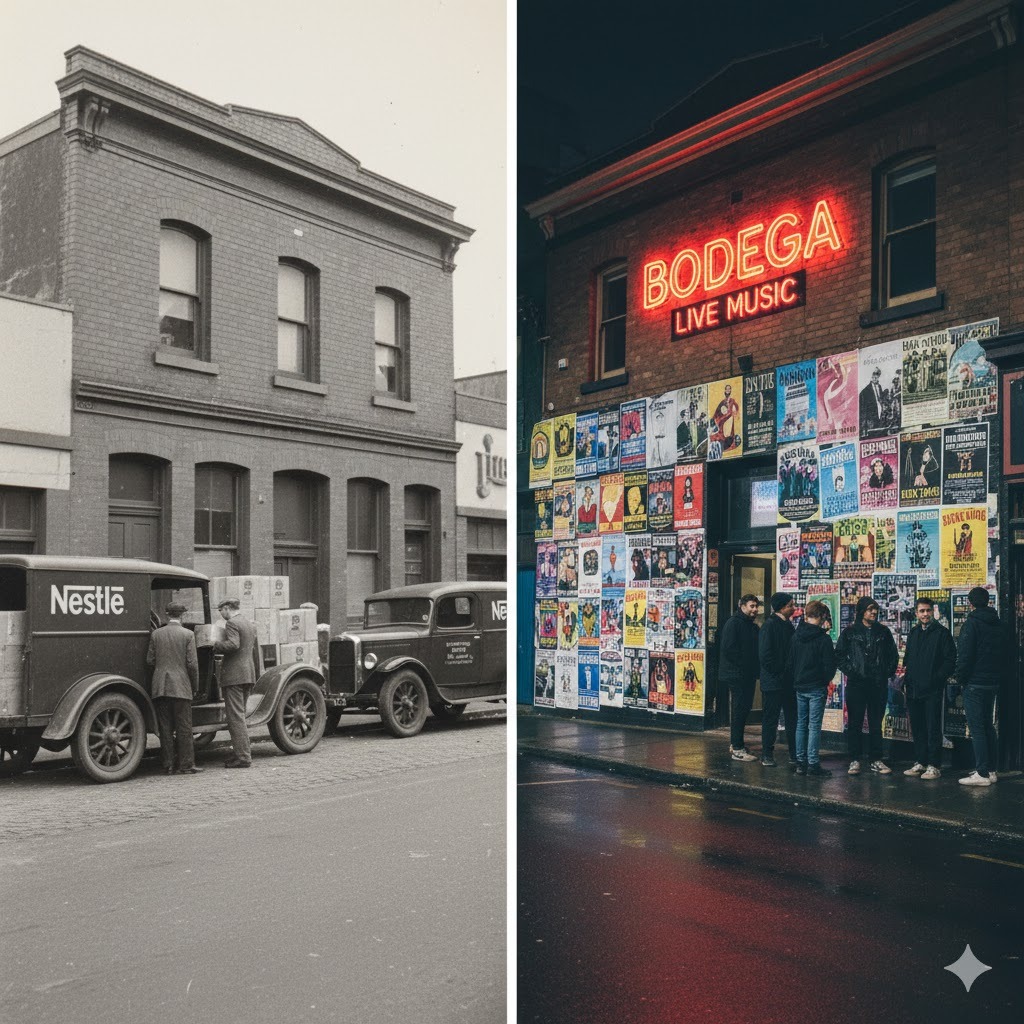
Ghuznee Street also has strong local military connections. For many years, it was closely linked to the Wellington Returned Servicemen’s Association (RSA). The building at 109 Ghuznee Street, now home to Bodega, one of New Zealand’s oldest live music venues, was owned by the Wellington RSA from 1975 to 1988. A portion of that building later became the popular restaurant Flipp.
The structure itself predates these uses. It was built in 1932 by Nestlé, the global confectionery company, and for more than 40 years served as its store, showroom, and office. Nestlé was not alone on the street. Cadbury, another international chocolate manufacturer, once operated a general office and storeroom at 60 Ghuznee Street. Built in 1909, the Cadbury building still bears the company’s name on its side and is one of six heritage-listed buildings along the street.
Faith, Printing, and Hospitality
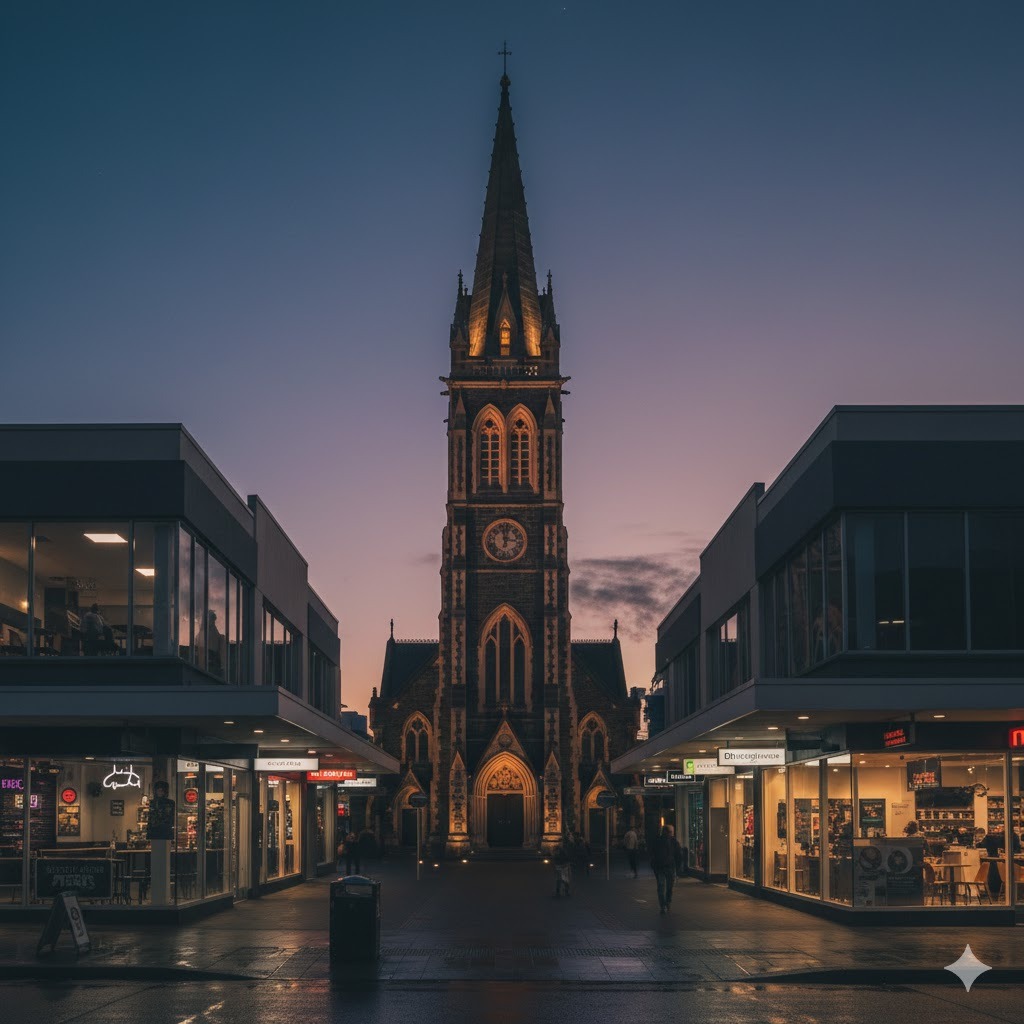
Perhaps the most distinctive landmark on Ghuznee Street is St Peter’s on Willis, the Anglican church located at the corner of Willis and Ghuznee streets. There has been a church on the site since 1848, and the present building, with its recognisable tower, was constructed in 1879. It remains a key spiritual and architectural presence in the area.
Nearby stands the Ward Press building at 56 Ghuznee Street, another heritage-listed structure dating back to around 1876. It originally provided stabling for the Gear Meat Company, later becoming home to Ware Press from 1975 until 2000. A second storey has since been added, and the building is now used for accommodation.
At No. 59, the Albemarle Hotel adds another layer to the street’s story. Built in 1906 and easily recognised by its octagonal tower, it operated as a private hotel until 1994, serving generations of visitors and locals.
Ghuznee Street Today
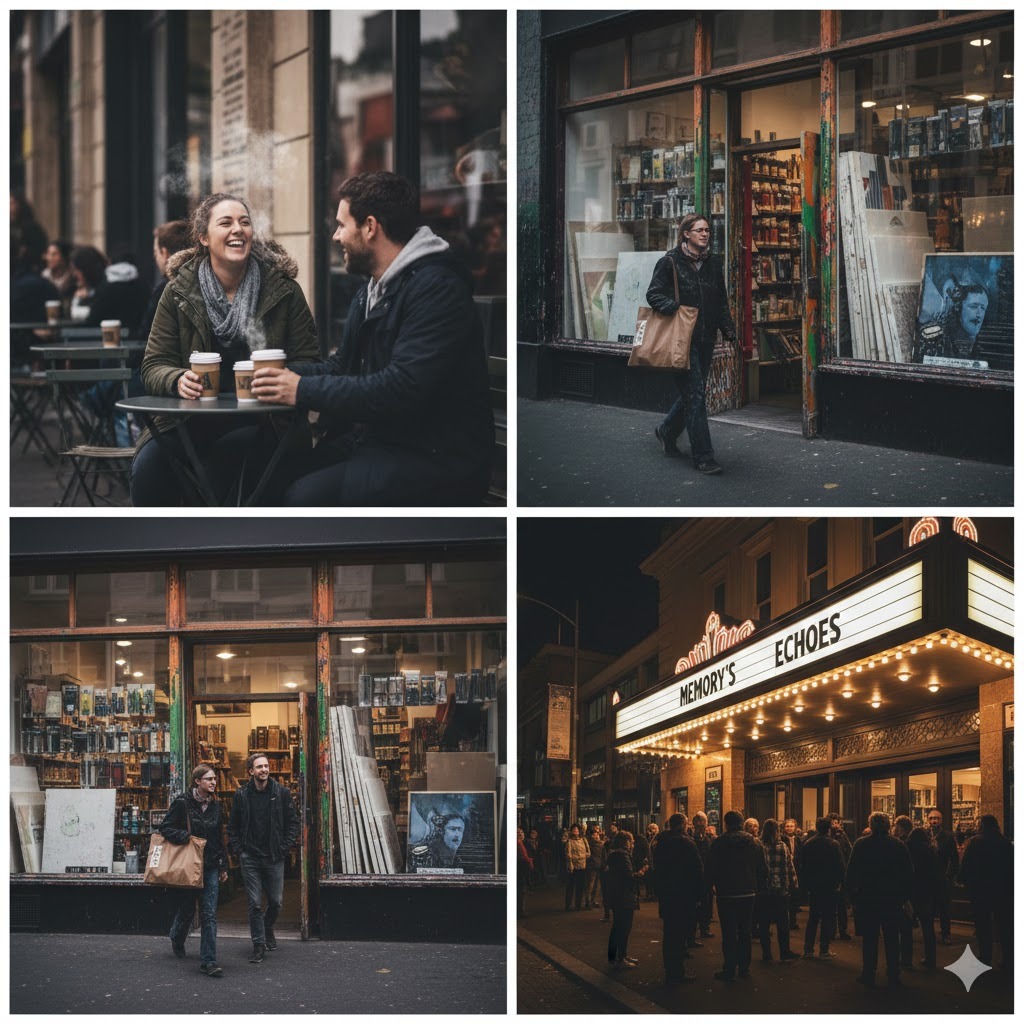
Despite nearly 170 years of change, Ghuznee Street’s overall shape has remained largely the same. Though nearby road networks were altered with the construction of the motorway. Today, the street is home to apartments, art supply stores, a theatre, a Jewish meeting place, and a range of other businesses. It also contains 10 earthquake-prone buildings, highlighting the ongoing challenges of preserving heritage in a modern city.
From a name rooted in an old imperial war to a present defined by culture and community. Ghuznee Street captures Wellington’s ability to transform history into lived, evolving space. It reminds us that while wars — old or new — leave lasting marks. Cities have the power to redefine what those marks mean.