


Invited to Elevate Tourism, Met with Mistrust
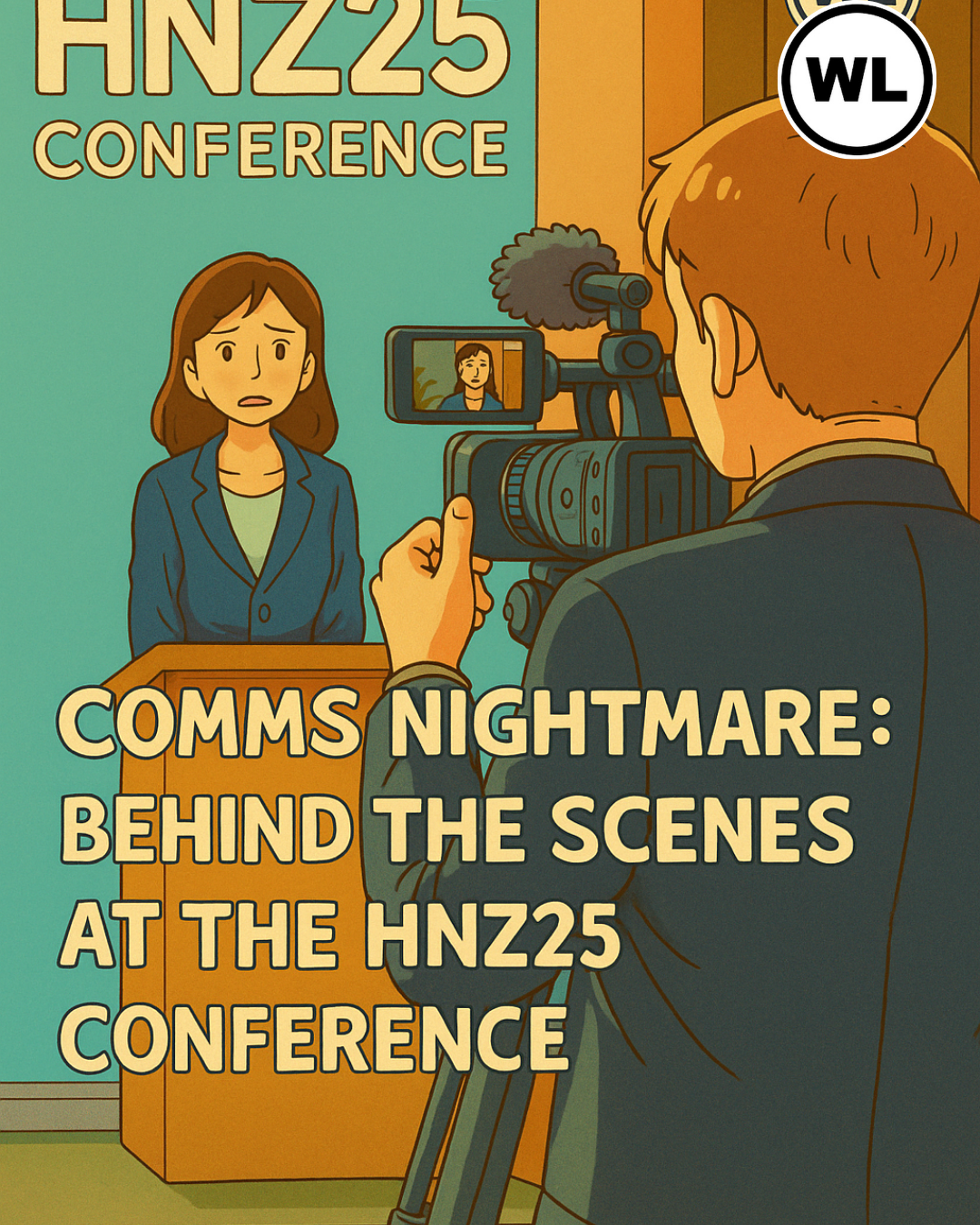
One Network Wellington Live received a direct invitation from HNZ Chief Executive Steve Armitage to cover the HNZ25 conference at Tākina. Positioned as a defining moment for New Zealand’s tourism sector, the event promised collaboration between government, industry, and media. Naturally, we accepted in good faith. However, upon arrival, it became clear the experience would be far from collaborative. What should have been an open platform for storytelling quickly transformed into a tightly controlled space, where media access felt less like inclusion and more like tolerance or worse, suppression.
Told to “Tone It Down”: A Vague Warning to Independent Media
Almost immediately, a member of the HNZ communications team pulled us aside and issued an unsettling instruction: “tone it down.” The vague phrasing was especially troubling given our role as an independent media outlet focused on positive, grassroots storytelling. This contradiction raised serious doubts about how genuinely HNZ valued transparency or whether “positive” media simply meant “controlled” media.
Silenced Stories: Barriers to Tourism Coverage
Our purpose at HNZ25 was clear: amplify local voices and spotlight New Zealand’s tourism revival. Yet, obstacles quickly piled up. On day two, a guest we had arranged to interview was denied entry unless they paid $160 — despite being previously confirmed. The embarrassment was unnecessary and unprofessional. Later that same day, we began filming with Emerson’s Brewery only for an HNZ staffer to physically interrupt the shoot and pull the interviewee away mid-sentence. These incidents weren’t just disruptive, they felt intentional, and they made it difficult to ignore a deeper culture of media resistance.
Approved, Then Undermined: The Illusion of Media Access
Initially, HNZ approved our request to film with a green screen setup. However, just 35 minutes into the session, a staffer revoked our access and dismantled the equipment before we could finish. This move is not simply disorganised, it came across as deliberate obstruction.
Despite Wellington hosting more than 2,000 communications professionals, the country’s most significant tourism conference relied on a strategy rooted in restriction, not openness. Why does media access at a national event still operate with this level of control and opacity? By that point, the message was clear: the agenda wasn’t collaboration, it was containment.
What HNZ25 Reveals About Comms in Aotearoa
Ultimately, HNZ25 revealed more than it concealed. The fear of unfiltered storytelling, the preference for narrative curation, and the sidelining of supportive media all point to a communication strategy deeply misaligned with today’s climate. As tourism rebuilds, New Zealand needs open dialogue, not comms strategies stuck in damage-control mode.
TRUTH SEEKER
Instantly run a Quiz with friends... about the article. Interact more & analise the story. Dig in, catch out biased opinions, and "fact check" with TRUTH SEEKER by ONENETWORK WELLINGTONLIVE 👋
Do you agree with the main argument of this article?
Total votes: 0
Who issued an instruction to 'tone it down' at the HNZ25 conference?
Bias Analysis
Fact Check Summary
True
Source: https://apnews.com/article/97a6f5532edd5eec09bd292ba5c9dbdb?utm_source=chatgpt.com
True
Source: https://wellington.live/wellington-hnz25-confernce-media-access-blocked/