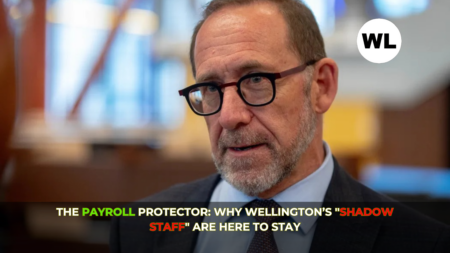


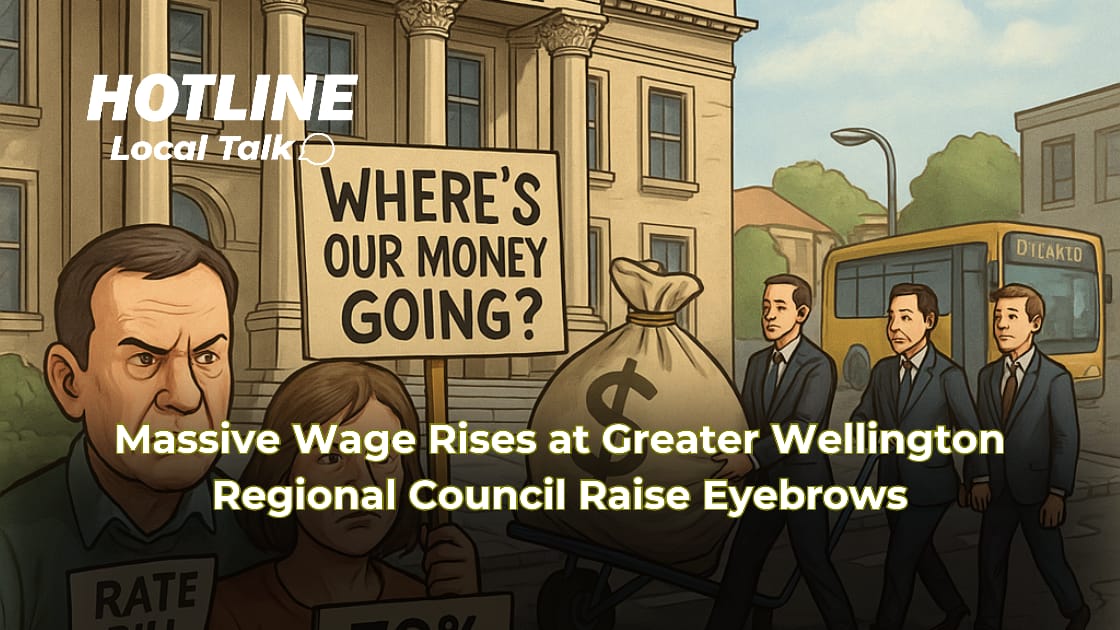
In the years since COVID-19 reshaped our lives, one sector has seen its employee costs surge at an eye-watering rate—local councils. And none more so than the Greater Wellington Regional Council. Between 2019 and 2024, their annual employee costs skyrocketed by an astonishing 79%, the highest among all councils in New Zealand. While many Kiwis are still waiting for a meaningful pay rise, council wage bills have ballooned. Unsurprisingly, this has triggered public anger, especially when paired with stagnant services and rising rates.
The number is not a mistake. It’s not a decimal point out of place. Wellington’s regional council has topped the list, outpacing even Tauranga City Council, which saw a 74% jump. In comparison, the average increase for all NZ councils stood at 42%. Christchurch, in contrast, saw a rise of just 17%. That makes Wellington’s jump nearly five times greater. So, what’s driving this surge? And more importantly, what do ratepayers have to show for it?
While inflation and cost-of-living increases have impacted most sectors, few have experienced growth at this scale. In fact, some would argue that no private business could survive with such a steep rise in staff costs unless productivity or output had dramatically improved. In this case, residents are questioning whether they’re truly getting more for their money. Crumbling water infrastructure, unreliable transport, and delayed regional upgrades continue to frustrate people. Even as bills grow larger, basic services appear to lag behind.
During the pandemic, many Kiwis faced salary freezes, redundancies, or cut hours. The public sector, though, has shown a different story. There were promises of fiscal restraint and transparency, yet council figures tell another tale. If staff pay is increasing year after year at this pace, there must be a strong reason. So far, that reason is missing from the conversation. Transparency remains thin, and many feel their concerns are falling on deaf ears.
Greater Wellington, as a region, plays a key role in New Zealand’s governance and infrastructure. Its council manages public transport, flood protection, environmental planning, and more. With such important duties, expectations are naturally high. However, the public mood suggests those expectations are not being met. Train delays, funding gaps, and underwhelming service performance make the 79% jump seem all the more out of touch. People are asking—where exactly is this money going?
Elsewhere, Tauranga and the Bay of Plenty also show large increases, each topping 59%. These figures are not small and can’t be brushed aside. Local councils have a duty to justify how public funds are used. The average household, already squeezed by mortgage hikes and rising grocery prices, can hardly afford another rate hike without seeing improvements in return.
Moreover, the argument that these increases reflect headcount rather than wage rises doesn’t always hold. Even if more roles were created, ratepayers still deserve clarity. Are these new positions helping? Is service delivery better today than it was in 2019? Few would say yes. Instead, frustration grows, especially when compared to cities like Christchurch, where restraint seems to have been exercised.
Interestingly, Auckland, New Zealand’s largest city, shows a more modest 22% rise. This is despite its larger population and broader responsibilities. That stark contrast with Wellington poses tough questions. How can the capital region justify nearly four times that level of increase? The answer isn’t obvious. No clear public communication has explained it in full. That silence fuels further distrust.
It is also worth noting that while the headline numbers are dramatic, they carry deeper implications. If this trend continues, future budgets could become unsustainable. Ratepayers will bear the burden, even if services remain unchanged. With an election always around the corner, this could become a hot topic for local candidates. Trust in public institutions is fragile. Figures like these won’t help to rebuild it.
Communities across the region want better answers. They deserve them. Many are already paying more than ever before just to live and work in their own cities. When services fall short, anger is a natural response. And right now, that anger is growing. People are no longer content with vague reassurances. They want specifics—where the money is going, how roles are being filled, and what plans are in place to make spending efficient.
Even in times of crisis, good governance requires discipline. Councils are not exempt. Every dollar spent comes from hard-working ratepayers. When those ratepayers see little return, the system begins to fracture. Rebuilding confidence will not be easy. But it must begin with honesty. A 79% rise should not be ignored. It must be explained. If it cannot be justified, then the path forward must change.
In the case of Greater Wellington, the message from the public is clear. Enough is enough. Council leaders must step forward, offer transparency, and provide the accountability their community expects. The public sector cannot exist in a bubble, free from scrutiny. As New Zealanders face their own financial battles, they rightly demand more from those who manage their money.
The numbers speak loudly. The people are listening. Now it’s time for the councils to respond.
TRUTH SEEKER
Instantly run a Quiz with friends... about the article. Interact more & analise the story. Dig in, catch out biased opinions, and "fact check" with TRUTH SEEKER by ONENETWORK WELLINGTONLIVE 👋
Do you agree with the main argument of this article?
Total votes: 15
Which council in New Zealand saw the highest increase in annual employee costs between 2019 and 2024?
Bias Analysis
Fact Check Summary
True
Source: Article
False
Source: Article