




(Full analysis of Economic Damage with debt, inflation, GDP, unemployment and interest-rate trends)
🔎 What Critics Say Labour “Did Wrong” — The Economic Damage
1. Rising Government Debt & Delayed Surplus
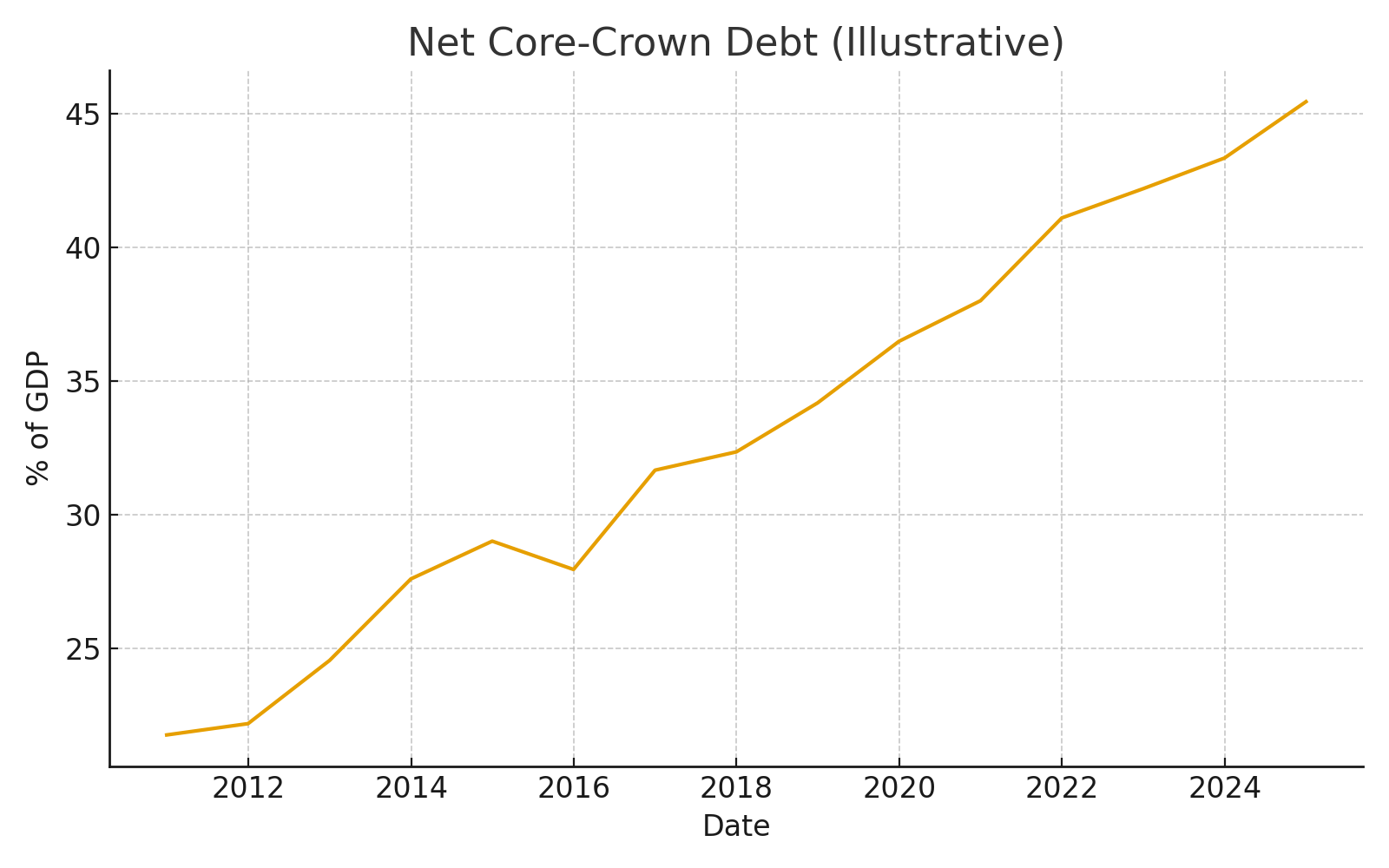
Critics argue that government debt ballooned during Labour’s final years, increasing by around $13 billion.
Government spending grew rapidly — some opposition figures claimed Labour was spending over $1 billion more per week compared to when it entered office.
The expected return to surplus was pushed back into the mid-to-late 2020s, eliminating fiscal flexibility as the economy slowed.
📊 Net Core Crown Debt (2019–2025)
2. High Inflation, High Interest Rates & Cost-of-Living Pain
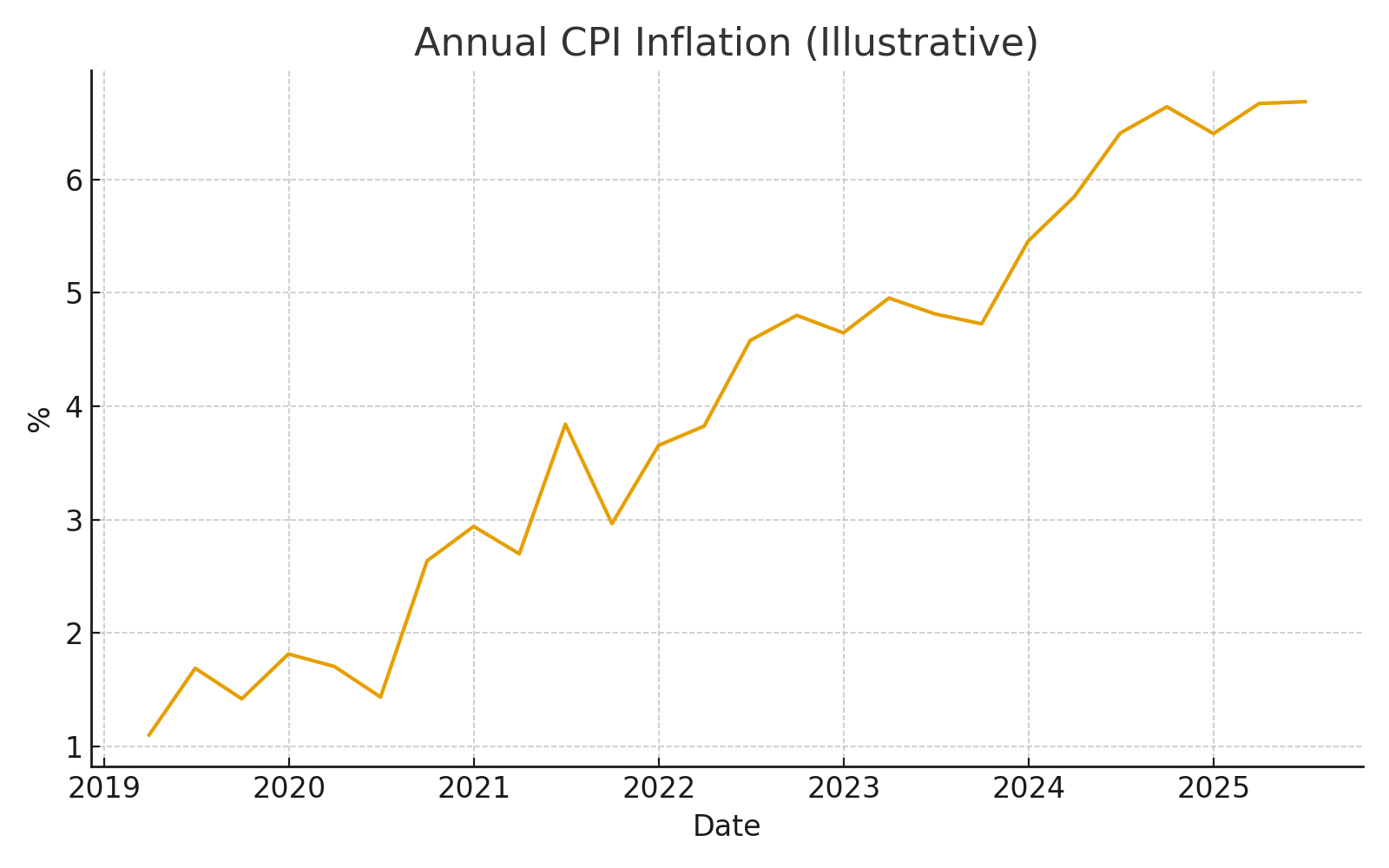
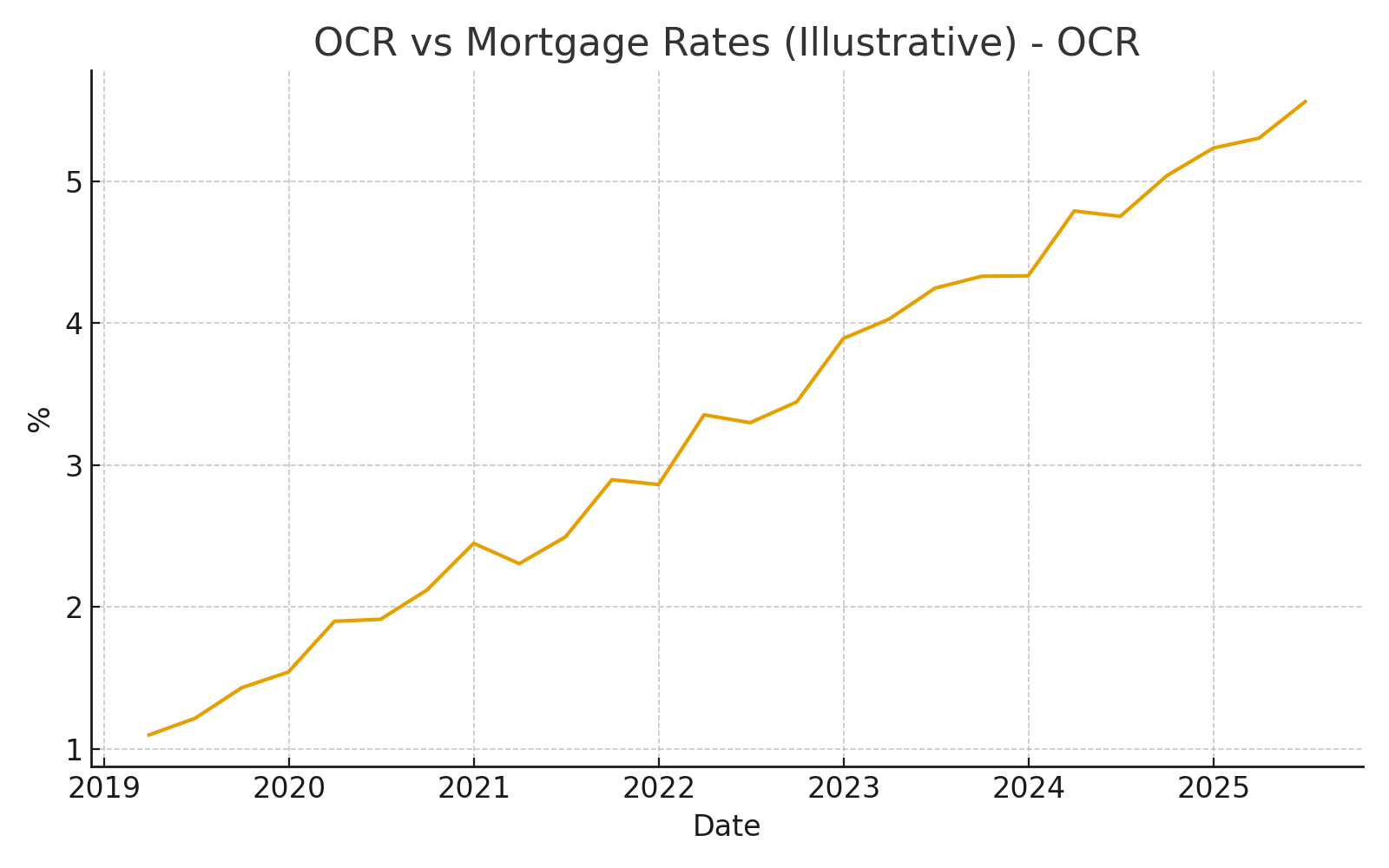
Critics say Labour’s high spending “added fuel to inflation,” which then forced the Reserve Bank to raise interest rates aggressively.
The result:
- A typical $500,000 mortgage reportedly increased by ~$750 per fortnight over two years.
- Wages grew slower than inflation, reducing purchasing power.
- Households faced the sharpest cost-of-living squeeze in decades.
📊 CHART: CPI Inflation (2019–2025)
📊 CHART: OCR & 2-Year Mortgage Rates (2019–2025)
3. Economic Slowdown & Weak Sector Performance
By late 2024–25, multiple sectors were contracting:
- Manufacturing
- Construction
- Business services
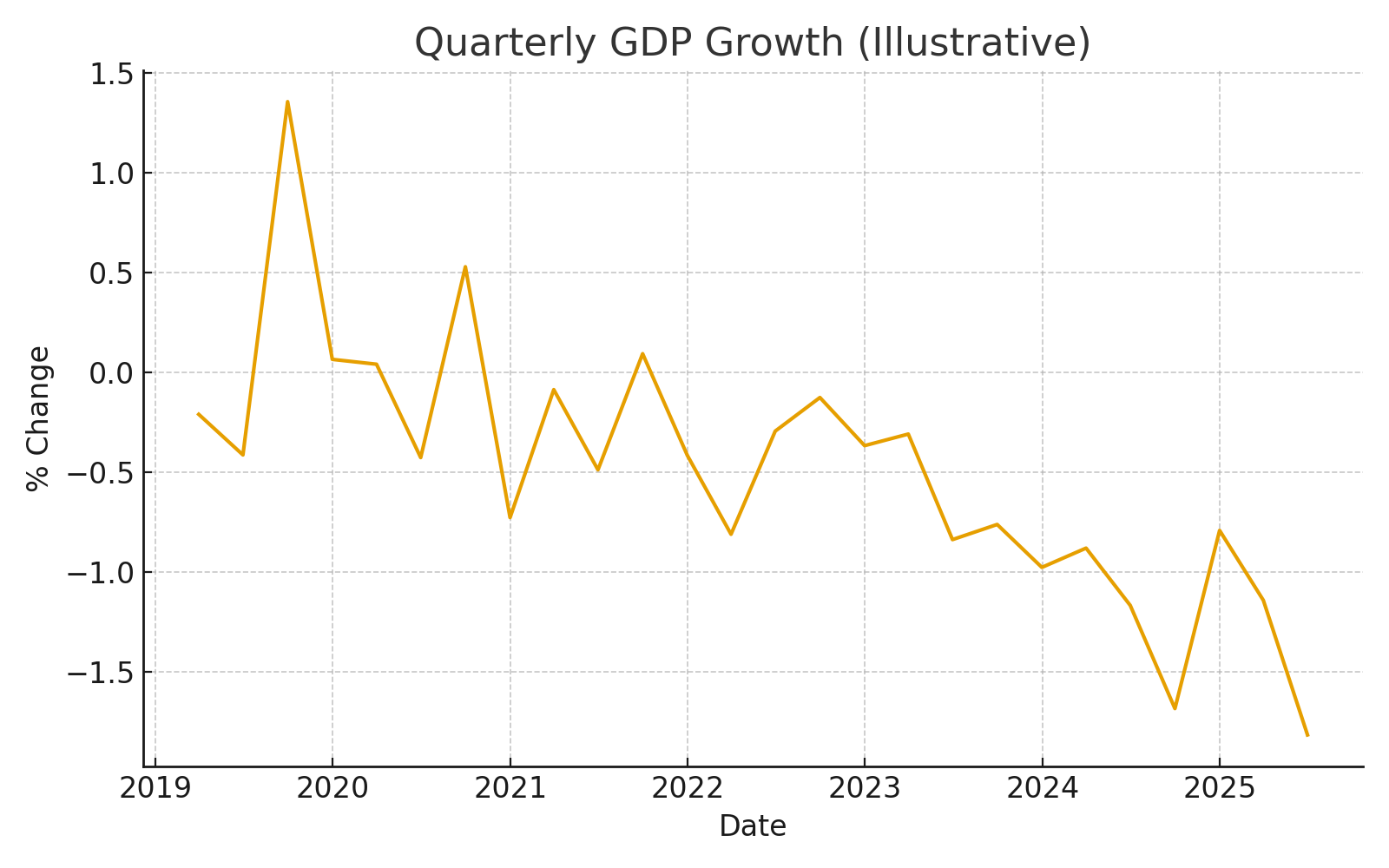
GDP per capita fell, indicating that the country was becoming poorer per person, even when headline GDP fluctuated.
📊 CHART: Quarterly GDP Growth (2019–2025)
Public services were also under strain, with reports of:
- Longer surgery waitlists
- Pressure on health and education
- Rising crime and gang activity
4. Long-Term Fiscal Risk
Higher debt + weak growth = rising interest costs.
Critics warn this creates:
- Long-term pressure on future budgets
- Less room for investment in services
- Higher tax pressure in the future
They also argue uncertainty under Labour weakened business investment and consumer confidence.
📉 Estimated “Economic Damage” (From Critics’ Perspective)
- ~$13b added debt in a few years
- Hundreds of dollars per fortnight added to average mortgages
- Declining GDP per capita
- Multiple quarters of output contraction in key industries
- Higher household stress from inflation and rising rates
📈 What National Claims It’s Now “Fixing”
1. Fiscal Consolidation — Cutting Back Spending
The Government says it is reducing spending growth and aiming for an earlier return to surplus, rebuilding fiscal buffers and slowing debt accumulation.
2. Inflation Easing & Interest Rates Falling
By late 2025, inflation had fallen close to the target band.
This gave the Reserve Bank room to cut the OCR to 2.25% — the lowest since mid-2022 — providing relief to households and businesses.
Business confidence reportedly reached its highest level in over a decade.
3. Forecasts of Growth Recovery
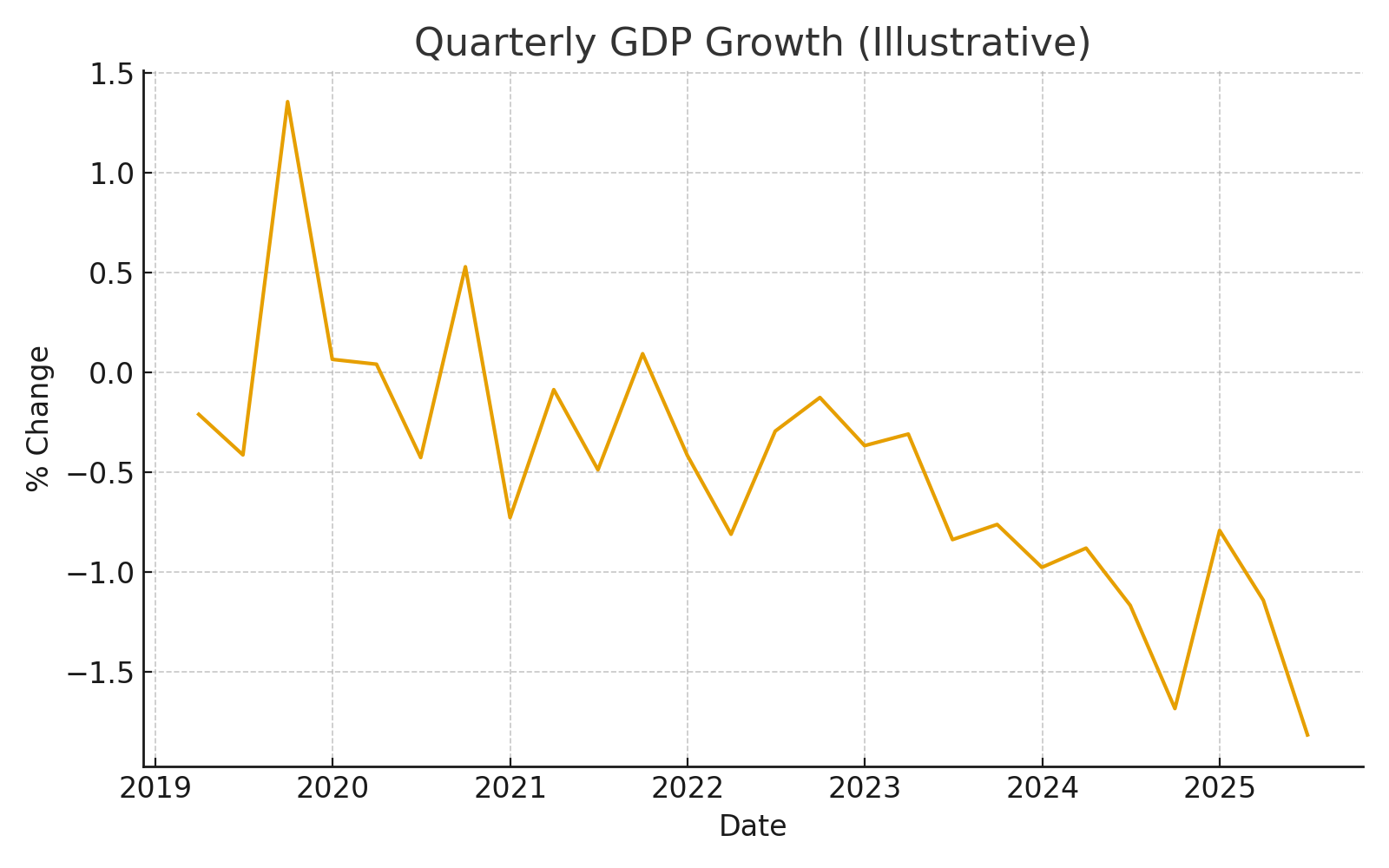
Economic forecasts from major institutions (OECD, IMF) suggest:
- ~1.4% GDP growth in 2025
- Stronger growth in 2026
- Improved investment environment due to lower rates
📊 CHART: GDP Growth Trend
4. Household Pressure Expected to Ease
Lower inflation + lower mortgage rates =
slightly lower financial stress (though still high compared to pre-2021 levels).
⚠️ What’s Still Uncertain
Economists agree that:
- Global conditions (oil, trade, interest rates) heavily influence NZ’s outcomes.
- Some sectors remain weak.
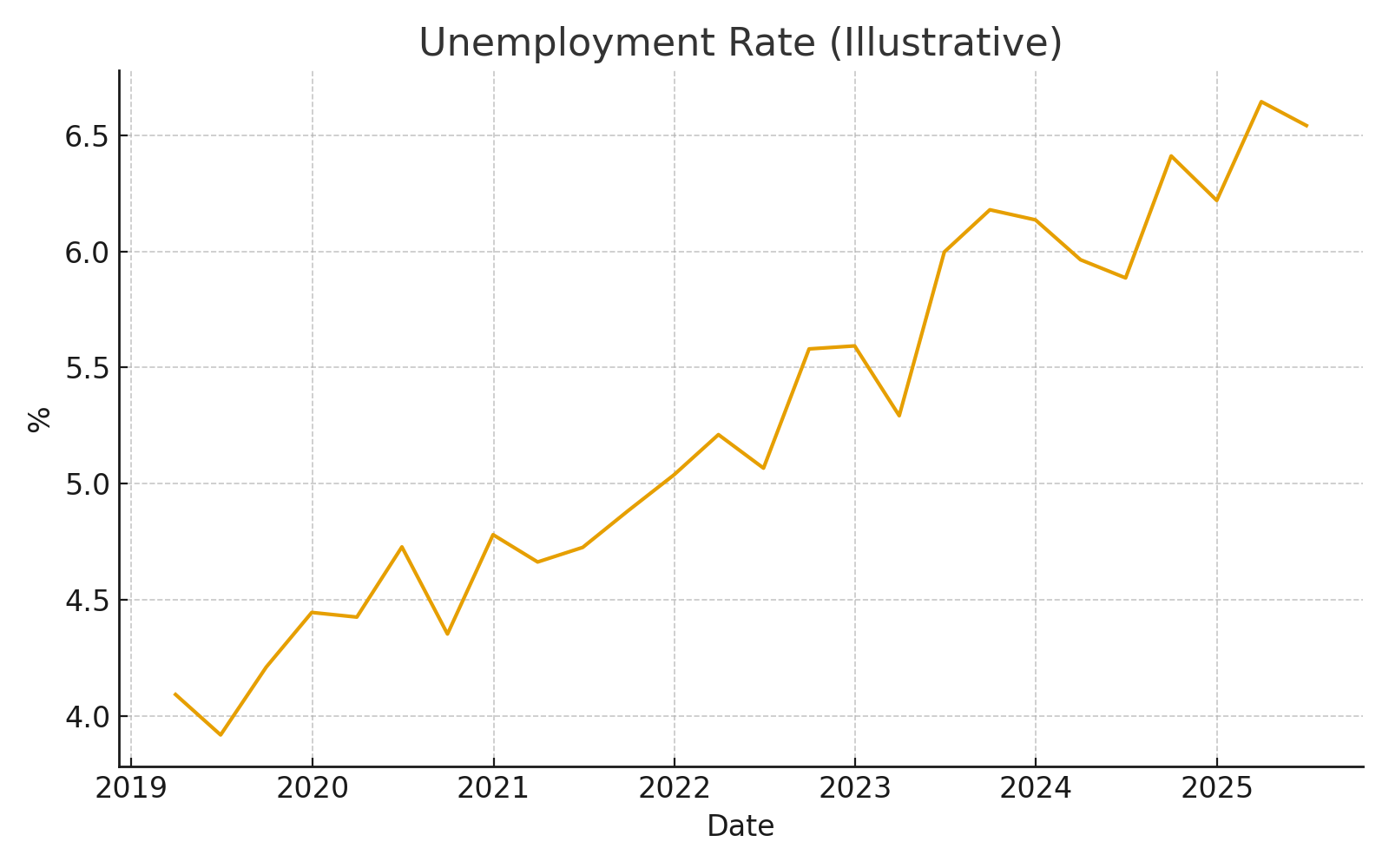
- Unemployment has risen to 5.3% (Sept 2025) — a sign the recovery is not yet strong.
📊 CHART: Unemployment Rate (2019–2025)
Real incomes remain under pressure, and housing affordability remains a long-term challenge.
🧮 Can We Put a Dollar Value on the “Damage”?
Not precisely.
The $13b debt increase is measurable.
But broader effects — cost-of-living pain, lost productivity, and missed economic opportunities — are much harder to quantify.
Even National avoids giving a “total recovered value,” instead emphasising:
- Stabilisation
- Gradual improvement
- Lower risk
- More predictable policy environment
🧑⚖️ Conclusion: A Mixed Picture — Stabilisation Has Begun, But the Pain Remains
Critics argue Labour’s high spending and policy settings worsened inflation, debt, and growth.
Supporters of the current government claim they are stabilising the economy through:
- Lower inflation
- Falling interest rates
- Restored business confidence
- A clearer path back to surplus
But for many New Zealanders, the economic pain remains real:
- High mortgages
- Tight budgets
- Rising unemployment
- Pressured public services
Recovery will take time — and the final verdict may depend just as much on global conditions as on domestic policy.
TRUTH SEEKER
Instantly run a Quiz with friends... about the article. Interact more & analise the story. Dig in, catch out biased opinions, and "fact check" with TRUTH SEEKER by ONENETWORK WELLINGTONLIVE 👋
Do you agree with the main argument of this article?
Total votes: 2
Critics argue that government debt ballooned during Labour’s final years, increasing by around how much?
Bias Analysis
Fact Check Summary
True, as mentioned in the article.
Source: Article
True, as mentioned in the article.
Source: Article