As Christmas approaches, Wellington usually fills with familiar accents returning home — graduates, young professionals, and skilled workers bringing overseas experience back to the capital.
This year, many aren’t coming.
The Green Party says student loan debt, rising interest rates, and penalty fees are stopping thousands of New Zealanders living overseas from returning home — even briefly — and Wellington may be one of the cities feeling that absence most sharply.
“The System Isn’t Working”
The warning follows a Green Party survey of more than 400 New Zealanders living and working overseas. The results paint a stark picture:
71% are overdue on student loan repayments
82% say they are worried or extremely worried about their debt
78% say they are making no progress paying off their loan from overseas
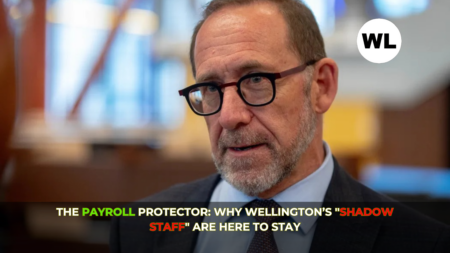
Overseas New Zealanders spokesperson Lawrence Xu-Nan says the problem is no longer individual behaviour — it’s systemic.
“We should be welcoming our friends and whānau home for Christmas,” Xu-Nan says,
“but for many living overseas with student loans, they’re simply too worried about their debt.”
Since 2011, overseas student loan debt has ballooned from $289 million to $2.193 billion, while the share of overseas borrowers with overdue payments has jumped from 52% to 71%.
Why This Hits Wellington Hard
Wellington has long relied on returning expats — especially those with public sector, policy, tech, creative and professional experience — to refill its workforce.
Many of those workers are the same people who left to gain experience overseas, often in Australia, the UK, or Europe.
Now, according to the Greens, student loan settings are acting as a barrier to return.
For Wellington, that means:
Fewer skilled workers coming back into government agencies and professional roles
Fewer people spending money locally over the holidays
Slower re-entry of talent the city depends on long-term
“This isn’t just about Christmas,” Xu-Nan says. “It’s about whether people ever come back at all.”
Interest Rates and Penalties Under Fire
In April, interest rates on overseas-based student loans rose from 3.3% to 4.9%, a move critics say pushed already struggling borrowers further underwater.
The Greens argue that:
Repayment thresholds are inflexible
Penalty fees compound debt rapidly
Borrowers overseas can feel trapped, not supported
“The system is broken,” Xu-Nan says.
“Inflexible repayment schemes, interest rates and penalty fees are driving people into debt they have no chance of paying off.”
The party is calling for an urgent cross-Parliament inquiry into how overseas student loans are managed.
The Counterargument: Personal Responsibility
Not everyone agrees.
Critics say student loans are voluntary, repayments are known upfront, and interest and penalties are not punishment — they are the consequence of not paying back money that was borrowed.
From this perspective, personal responsibility matters more than policy reform.
“If you borrow money, you pay it back,” is a common response. “That’s how loans work.”
But the Greens argue the scale of overdue debt suggests the issue is no longer about individual choices — it’s about a system misaligned with today’s global workforce.
A Bigger Question for the Capital
Wellington already faces challenges:
If student loan settings discourage overseas Kiwis from returning — even temporarily — the capital risks losing not just people, but experience, diversity of thought, and long-term contributors.
As Xu-Nan puts it:
“We can have a country that looks after its people — one where New Zealanders can seek opportunities overseas and still feel welcome to come home.”
For Wellington, the question is simple — how many people are missing from the city this Christmas, not because they don’t want to return, but because they’re afraid to?