



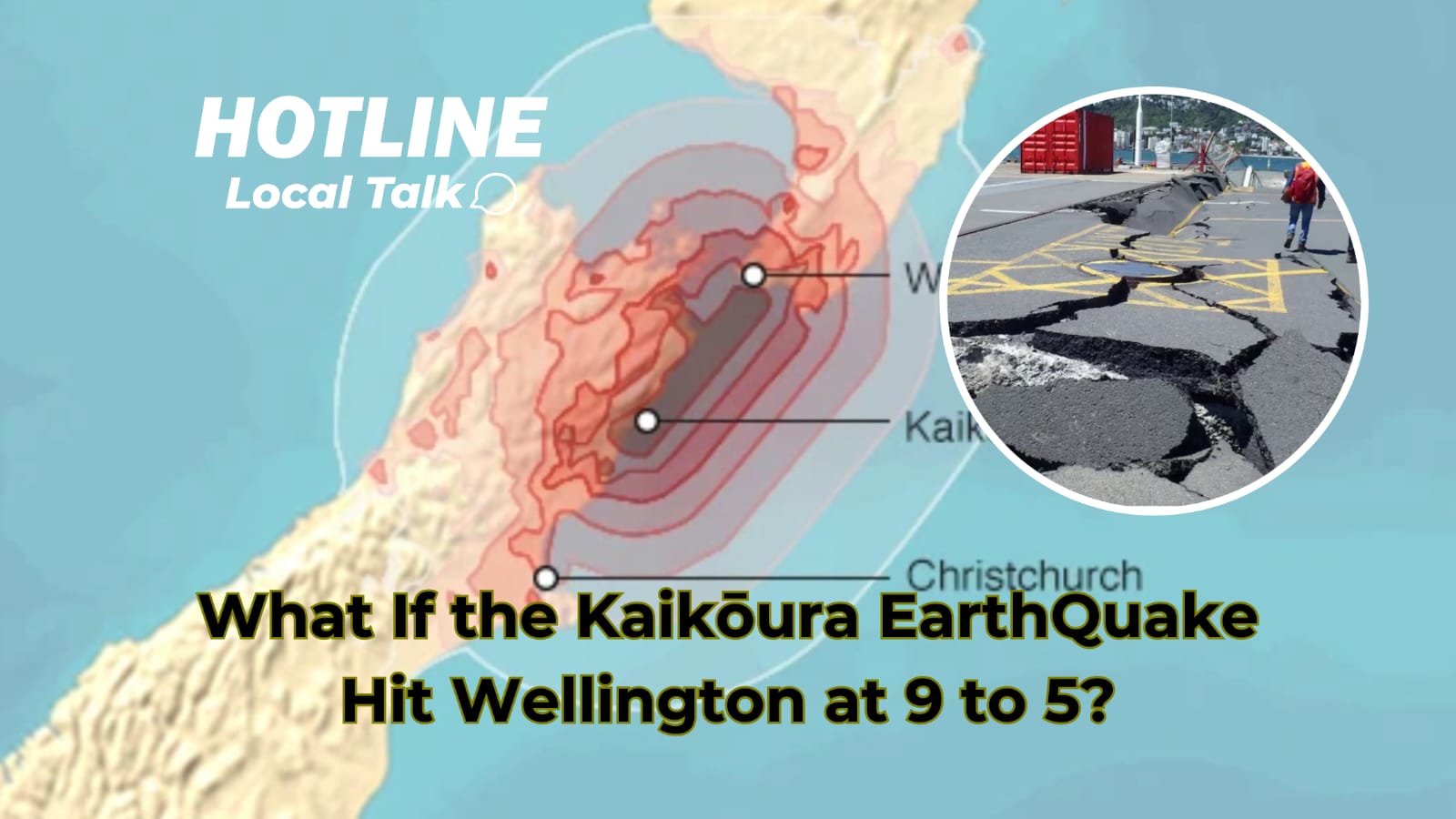
Imagine the bustling streets of Wellington during peak business hours, filled with the energy of workers, tourists, and locals. Now, picture the chaos if the 7.8 magnitude Kaikōura earthquake had struck at that very moment. This article, brought to you by One Network Wellington Live, explores the potential human and economic toll, focusing on the Wellington waterfront, Centre Port’s struggles, and the lingering effects of past infrastructure decisions.
The Kaikōura Earthquake: A Close Call for Wellington
On 14 November 2016, the Kaikōura earthquake shook New Zealand, with significant repercussions felt in Wellington. Although the epicentre was far from the city, the impact was profound, especially on the waterfront. According to the Natural Hazards Commission Toka Tū Ake, the ground shaking in Wellington was relatively minor compared to what a direct Wellington fault earthquake might bring, yet the damage was still considerable.
Impact on Wellington Waterfront
The waterfront, a hub of activity, suffered from:
- Liquefaction: This phenomenon, where soil behaves like a liquid, was particularly severe on Wellington’s reclaimed land. The southern part of the harbour saw the worst effects, with soil losing strength and causing widespread damage.
- Ground Deformations: Lateral movements and settlements led to significant damage to wharves and buildings, disrupting the usual flow of business and tourism.
- Structural Damage: Notable structures like Statistics House partially collapsed, and the BNZ Harbour Quays building was so damaged it was later demolished. Customhouse at CentrePort also sustained damage.
Human Impact During Business Hours
If this earthquake had occurred during business hours, the human cost could have been devastating. With hundreds of people at work, especially in high-risk areas like the waterfront, the potential for fatalities would have been high. Research suggests that in similar scenarios, the number of deaths could easily reach into the hundreds due to building collapses and the inability to evacuate quickly from compromised structures.
Centre Port’s Challenges
CentrePort, Wellington’s main port, has been struggling with profitability and accessibility issues even before the earthquake. The quake exacerbated these problems, with:
- Profitability: Already described as ‘pitiful’, the port’s financial health would have been further strained by the need for extensive repairs and the loss of business during recovery.
- Access: Described as ‘horrific’, access to the port would have been severely compromised, affecting not just commercial operations but also emergency responses.
Cruise Passengers’ Experience
The experience for cruise passengers docking at Wellington has often been likened to third-world conditions due to inadequate facilities and poor management. An earthquake during peak times would have turned this into a nightmare, with potential for injuries, panic, and logistical nightmares in evacuating or sheltering thousands of tourists.
Historical Context: The PORTS Misadventures
Wellington is still recovering from the ambitious but flawed project to relocate Lambton Quay to a reclaimed wharf, known as the PORTS project. This misadventure, which aimed to expand commercial space, left the city with infrastructure vulnerabilities that the earthquake would have exploited, potentially killing hundreds if it had occurred during business hours.
Research and Lessons Learned
The earthquake provided critical insights into:
- Reclaimed Land: Data collected has improved our understanding of seismic risks on reclaimed land, crucial for future planning and construction.
- Building Standards: A review was prompted, focusing on the safety of pre-cast concrete floor units, leading to updated building codes to enhance resilience.
- Future Simulations: The data is now integral in simulations to predict and prepare for future seismic events in Wellington, aiming to reduce potential casualties and damage.
Key Points to Remember
– The Kaikōura earthquake highlighted the fragility of Wellington’s infrastructure, especially on reclaimed land.
– Liquefaction was a significant factor in the damage, affecting both buildings and the ground.
– The event underscored the urgent need for improved seismic hazard understanding and building standards.
– If such an event occurred during business hours, the human and economic toll could have been catastrophic.
This article, while speculative, uses credible research and data from the Natural Hazards Commission Toka Tū Ake and other sources to paint a picture of what could have been. It serves as a reminder of the importance of preparedness, infrastructure resilience, and the continuous need for learning from past events to safeguard our future.
Brought to you by One Network Wellington Live, dedicated to keeping Wellington informed and prepared.
TRUTH SEEKER
Instantly run a Quiz with friends... about the article. Interact more & analise the story. Dig in, catch out biased opinions, and "fact check" with TRUTH SEEKER by ONENETWORK WELLINGTONLIVE 👋
Do you agree with the main argument of this article?
Total votes: 3
What natural disaster is discussed in the article?
Bias Analysis
Fact Check Summary
True, the article mentions that CentrePort's profitability was already struggling before the earthquake.
Source: Article
True, the article states the date of the Kaikōura earthquake.
Source: Article