



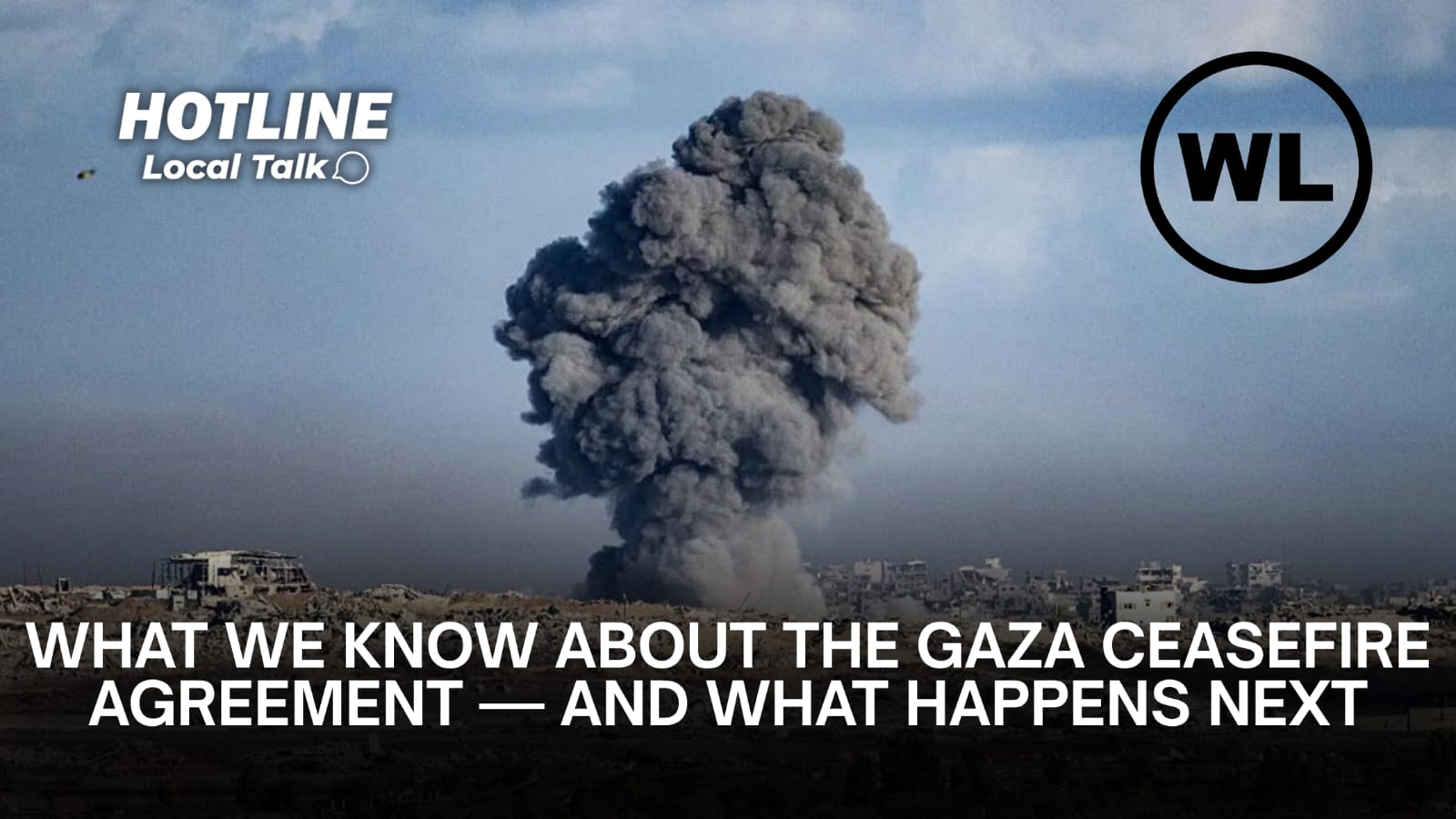
The war between Israel and Hamas has entered a new phase after both parties agreed to a first-phase ceasefire. While many in Gaza and Israel hope this will bring lasting peace, key questions remain. Here’s a breakdown of what is agreed, what’s uncertain, and what comes next.
✅ What the Agreement Includes
- Ceasefire and Hostage/Prisoner Exchanges
- Israel and Hamas have committed to a pause in the fighting, allowing for the exchange of hostages and prisoners.
- All living Israeli hostages in Gaza are expected to be released within 72 hours of the deal’s activation.
- Israel will withdraw its troops to a line agreed upon in the negotiations, creating space for the ceasefire to take hold.
- Humanitarian Aid Increase & Access
- The deal calls for the entry of hundreds of trucks of aid per day, especially in the first days of the ceasefire, to alleviate Gaza’s food, medical, and supply crisis.
- Aid corridors and border crossings are to be opened or expanded under the agreement.
- Return of Displaced People
- Displaced Gazans in the south will begin returning to northern Gaza and Gaza City almost immediately under the agreement terms.
⚠ What’s Still Unclear
- Disarmament and Hamas’s Role
The agreement does not fully resolve whether Hamas will be required to disarm or give up its weapons in the long term. - Post-War Governance & Administration
Who governs Gaza after the fighting — whether it’s a Palestinian technocratic body, a transitional council, or continued Hamas control — remains unresolved. - Complete Israeli Withdrawal
The deal only mandates partial withdrawal. The extent and timeline of full withdrawal, especially from key areas, are still under negotiation. - Security Guarantees & Long-Term Stability
Ensuring that the ceasefire lasts — with no return to hostilities — is a critical condition, but how those guarantees will be enforced is yet to be detailed.
🔍 What Happens Next?
- Hostage Release & Prisoner Exchange
The first major test will be whether both sides follow through with the 72-hour hostage release window. - Troop Movements & Verification
Israel must begin pulling back forces to agreed boundaries while monitors verify compliance. - Aid Distribution & Humanitarian Access
Immediate focus will be on getting supplies — food, water, medicine — into Gaza and setting up mechanisms for safe delivery. - Negotiations on Core Issues
Longer-term talks on governance, disarmament, border control, reconstruction. And security frameworks will begin once the ceasefire is stable. - International Oversight & Guarantees
Third-party mediators — including countries like Egypt, Qatar, Turkey. And possibly an international stabilization force — may be involved in ensuring the ceasefire holds and that reconstruction is legitimate.
🧭 Final Thoughts
The ceasefire agreement offers a moment of relief in one of the most protracted and devastating conflicts in recent history. But it is just the beginning. The stability of this truce will depend not only on the goodwill of the parties involved, but also on the ability of the international community to support enforcement, reconstruction, and long-term peace mechanisms.
🇵🇸 The path ahead is fraught — but for Gaza’s people, this ceasefire may be the breathing space they’ve long needed.
TRUTH SEEKER
Instantly run a Quiz with friends... about the article. Interact more & analise the story. Dig in, catch out biased opinions, and "fact check" with TRUTH SEEKER by ONENETWORK WELLINGTONLIVE 👋
Do you agree with the main argument of this article?
Total votes: 0
What does the ceasefire agreement between Israel and Hamas include?
Bias Analysis
Fact Check Summary
True
Source: Article
True
Source: Article