



Wellington has chosen its new leader. After an energetic local body election, former Labour Party leader Andrew Little has been elected Mayor of Wellington with 56.4 percent of the vote. Now, the city’s attention has shifted to the question of who will become his Deputy Mayor. It might seem like a small detail, but the choice will set the tone for how the capital is run over the next three years.
The job of Deputy Mayor is more than a title. It is a role built on trust, teamwork, and responsibility. The Deputy steps in whenever the Mayor is unavailable and helps guide the Council through big decisions. They also act as a bridge between the Mayor’s office and the rest of the elected councillors. The Mayor appoints the Deputy Mayor, but the full Council must confirm that choice. It is a position that blends leadership with collaboration, and Wellingtonians are watching closely.
Among the names being discussed, Karl Tiefenbacher has become a clear public favourite. He finished second in the mayoral race with 14.1 percent of the vote and has since built strong public recognition. A recent poll of 1,000 Wellington residents found that 57 percent would support Tiefenbacher as Deputy Mayor, 28 percent opposed, and 15 percent were unsure. That result shows a clear appetite for him to stay involved in city leadership. Tiefenbacher, a successful businessperson and newly elected councillor for the Eastern Ward, has often spoken about rebuilding confidence and pride in Wellington. “Our city deserves leadership that listens, acts, and delivers,” he said during his campaign.
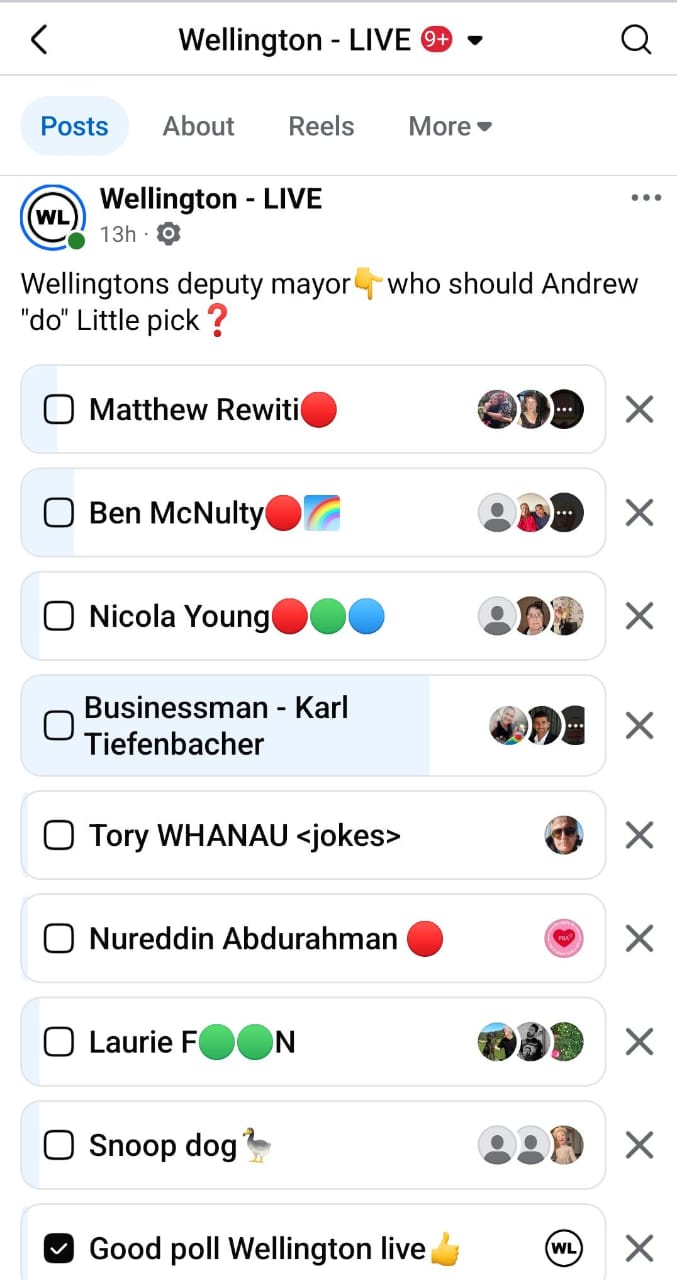
Tiefenbacher’s supporters believe his business skills and independence would balance the new Mayor’s political background. They say he represents a fresh approach, one that could bring practical decision-making to the council table. Others note that while he is new to Council, his city-wide campaign experience means he already knows how to communicate with the public. If Mayor Little wants to signal unity and inclusion, Tiefenbacher could be the logical choice.
However, the Deputy Mayor’s role is not only about popularity. Experience and stability also count. For that reason, several insiders point to long-serving councillor Nicola Young as another strong contender. Young has been on the Wellington City Council since 2013 and has earned a reputation for being independent, focused, and unafraid to speak her mind. Her long experience could give the new administration a steady hand. Supporters describe her as “a safe pair of hands who knows how the Council works from the inside.”
If Mayor Little wants to highlight collaboration across political lines, Green Party councillor Geordie Rogers could also be in the mix. Rogers represents the Lambton Ward and is known for his work on sustainability and transport. He has a loyal base of progressive voters who care deeply about the environment. Choosing Rogers would show that the Mayor is serious about continuing Wellington’s climate and livability agenda while still keeping the Greens close to the centre of city decisions.
Each of these three potential deputies brings something different. Tiefenbacher offers energy and a sense of change. Young provides depth and experience. Rogers represents the future-focused side of Wellington’s identity. The Mayor’s choice will reveal which path he plans to take. Will he go for renewal, balance, or stability?
Wellington’s 2025 local election was one of the most closely followed in years. Voter turnout reached almost 50 percent, the highest in three decades. People wanted change, and they made their voices heard. The high turnout has created a strong sense that residents expect more open leadership. That means whoever becomes Deputy Mayor must connect with both councillors and citizens.
The next few weeks will be crucial. The Mayor is expected to announce his Deputy once the new Council meets officially. Whoever gets the job will need to help steer big projects: fixing infrastructure, managing growth, improving public transport, and restoring trust in local government. They will also play a key role in shaping how the Council works together after an election that brought both fresh faces and familiar names.
In politics, appointments often matter as much as elections. Wellington’s new Mayor has the opportunity to bring the city together with a Deputy who reflects both the energy of change and the wisdom of experience. The public seems ready for that mix. With 57 percent of Wellingtonians backing Karl Tiefenbacher in the latest poll, the message is clear: people want a deputy who shares their optimism and drive. Yet as seasoned observers know, the Mayor’s final decision will balance public opinion, council chemistry, and practical governance.
Whatever the outcome, Wellington is watching. The choice of Deputy Mayor will shape how the capital faces the next three years — and perhaps define the city’s future far beyond that.
TRUTH SEEKER
Instantly run a Quiz with friends... about the article. Interact more & analise the story. Dig in, catch out biased opinions, and "fact check" with TRUTH SEEKER by ONENETWORK WELLINGTONLIVE 👋
Do you agree with the main argument of this article?
Total votes: 5
Who finished second in the mayoral race with 14.1 percent of the vote?
Bias Analysis
Fact Check Summary
True
Source: Article
True
Source: Article