



How Policing Can Reshape Identity, Relationships, and the Person You Used to Be
There are jobs that take your time — and then there are jobs that take you.
Policing sits firmly in the second category.
For many who join the force, it begins with a sense of purpose: protecting people, serving the community, being part of something bigger than yourself. But over time, policing doesn’t just become a job. It becomes an identity. And for some, it quietly transforms who they are — at home, with family, and within themselves.
When the Uniform Comes Home
Police officers don’t clock off danger at the end of a shift.
The job trains constant vigilance — scanning rooms, reading body language, anticipating threats. That mindset doesn’t always switch off at the front door. Officers can become guarded, hyper-alert, emotionally contained. Conversations change. Jokes land differently. Trust becomes selective.
Family members often notice it first.
“They’re there — but they’re not really there,” is a phrase partners and siblings use often. The uniform may come off, but the posture, suspicion, and emotional distance stay.
A Job That Reorders Priorities

Policing reshapes what feels important.
Birthdays are missed. Holidays are cancelled. Family events are interrupted by callouts, court dates, night shifts, and fatigue that doesn’t lift. Over time, the job trains officers to priorities the mission, the team, and the public — often above their own relationships.
For some families, this creates quiet resentment. For others, grief.
Parents talk about children who stopped opening up. Siblings describe relationships that slowly faded. Partners feel like they’re competing with a job that always comes first — and always has a justification.
Emotional Amour Comes at a Cost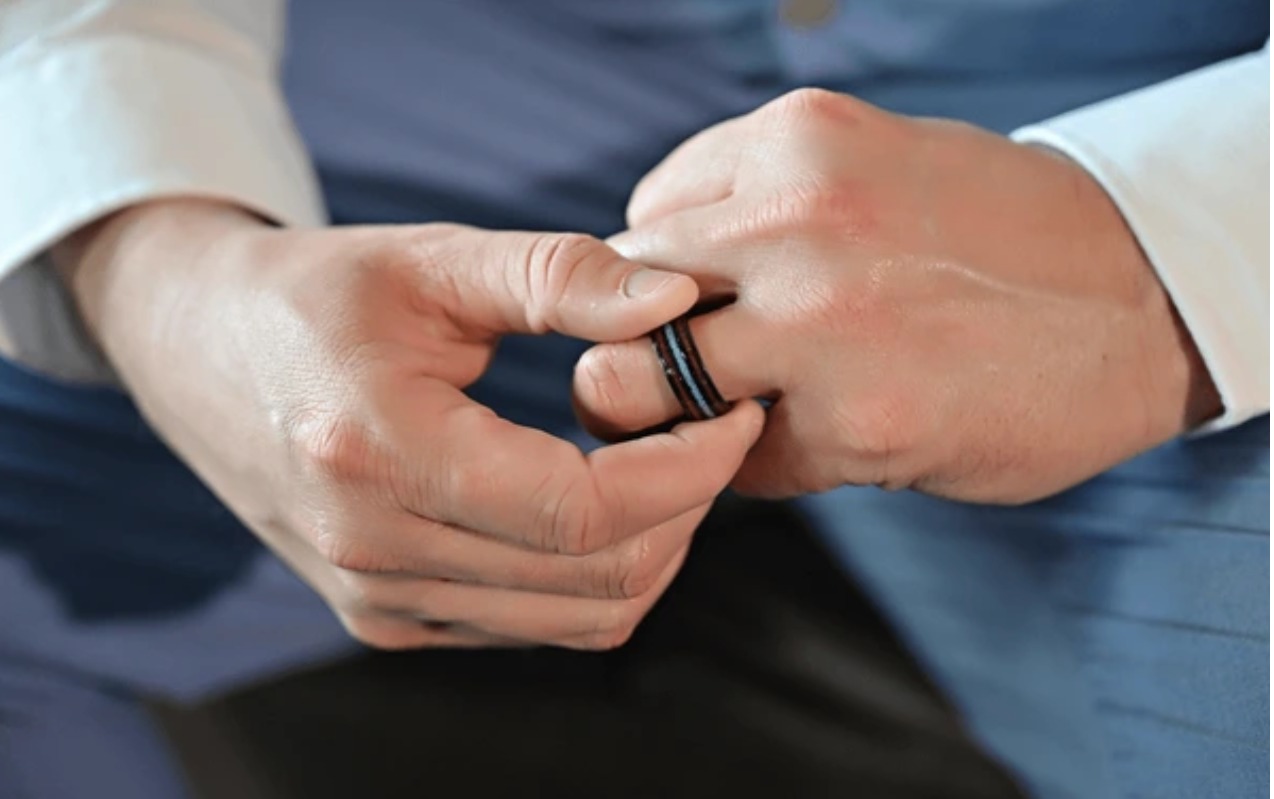
To survive policing, many officers learn emotional control early.
They witness violence, trauma, death, domestic abuse, and human cruelty — repeatedly. To cope, they harden. Dark humors becomes survival. Emotional detachment becomes protection.
But amour that protects at work can suffocate at home.
Officers may struggle to express vulnerability, affection, or softness. Some become irritable, withdrawn, or emotionally unavailable. Others carry guilt for things they couldn’t stop — or things they had to do.
The mental health toll is well documented, but still poorly talked about.
The “Police Way” Becomes the Only Way

Scanning for danger in a place that should be safe.
Policing creates its own culture — tight-knit, loyal, and insular.
Officers are taught to trust each other before anyone else. That bond saves lives on the street, but it can also isolate them from the outside world. Friends who aren’t police may “not get it”. Family opinions may be dismissed as naïve.
In extreme cases, officers drift away from their own families, emotionally and socially, becoming more comfortable inside the police world than outside it.
For loved ones, it can feel like losing someone who’s still alive.
Not Everyone Comes Back the Same
This isn’t every officer’s story — but it’s common enough to matter.
Some police leave the force and slowly rediscover parts of themselves they’d buried. Others never quite do. The job leaves marks that don’t show on the body but live in behavior, relationships, and worldviews.
Policing doesn’t just expose people to trauma. It changes how they see people, how they judge risk, how they trust, and how they love.
The Unspoken Question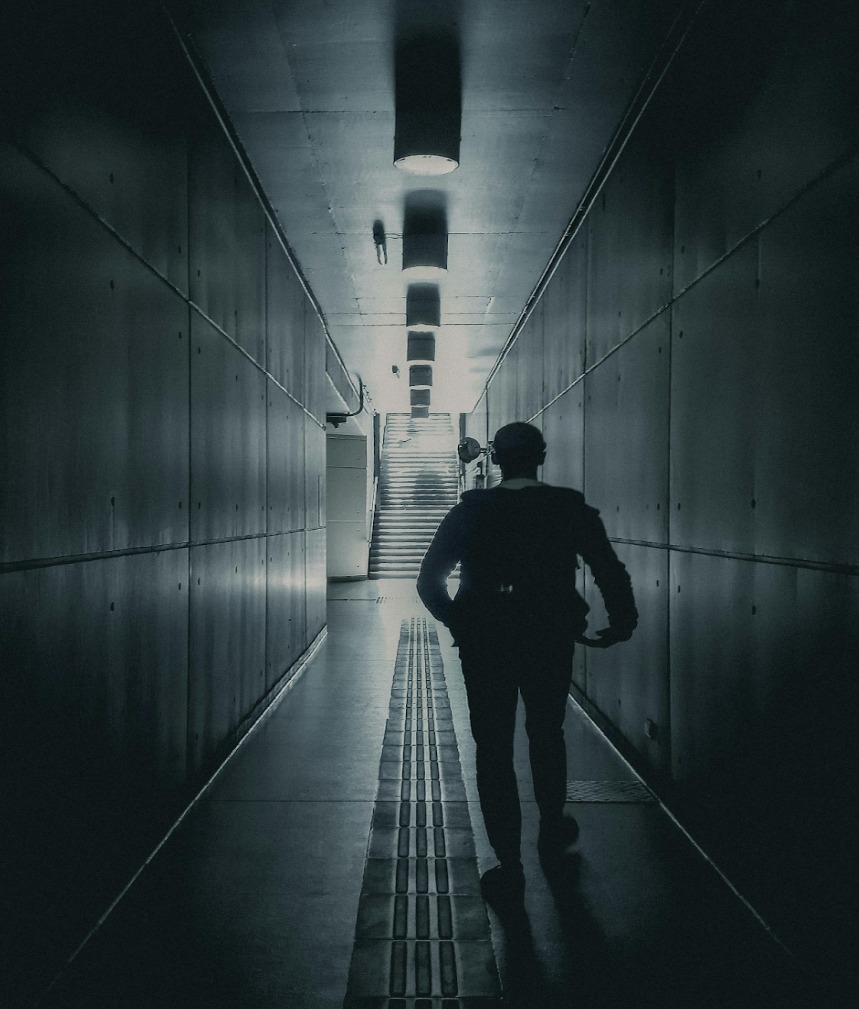
Society often asks whether policing is hard enough, dangerous enough, or supported enough.
But rarely do we ask the quieter question:
What does policing take from the people who do it — and from the families who love them?
Because for many, the hardest part isn’t the violence, the danger, or the headlines.
It’s watching someone you love slowly become someone else — and realizing the job didn’t just change their career.
It changed them.
TRUTH SEEKER
Instantly run a Quiz with friends... about the article. Interact more & analise the story. Dig in, catch out biased opinions, and "fact check" with TRUTH SEEKER by ONENETWORK WELLINGTONLIVE 👋
Do you agree with the main argument of this article?
Total votes: 1
What is a common observation made by family members about police officers' behavior at home?
Bias Analysis
Fact Check Summary
True, as mentioned in the article: 'Officers may struggle to express vulnerability, affection, or softness.'
Source: Article
True, as stated in the article: 'Some become irritable, withdrawn, or emotionally unavailable.'
Source: Article