



A Wellington City councillor is under scrutiny after voting to approve arts funding that benefited a family member, raising fresh questions about transparency and accountability at Wellington City Council.
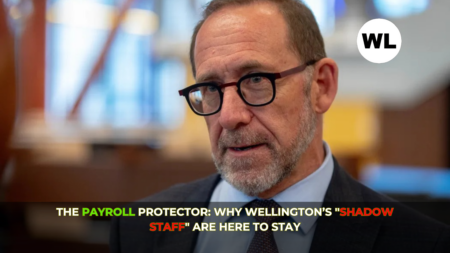
The controversy centres on councillor Ray Chung and a recent grants subcommittee meeting that approved $126,617 in ratepayer-funded arts and culture grants. The funding package supported 20 individuals and organisations across Wellington’s creative sector. Among the recipients was poet and arts practitioner Cadence Chung, who received $3,525.88 to support a poetry publication and associated arts events.
Cadence Chung is Ray Chung’s great-niece. Chung voted in favour of the full grants allocation. He did not declare a conflict of interest during the meeting. The vote proceeded without objection and the funding was approved.
Chung later said he did not recognise his relative’s name in the funding papers. He said he had not seen her for 10 to 15 years and was unaware she had applied for council support. Chung described the situation as an honest oversight and said the relationship was too distant to raise concern at the time.
That explanation has drawn criticism from within and outside council. Wellington Mayor Andrew Little said the relationship should have been declared. He has since spoken with Chung to reinforce expectations around transparency and conflict management in council decision-making.
Further attention followed revelations that Chung had previously shared a news article about Cadence Chung on social media. In the post, he described himself as “extremely proud” of her achievements. The public endorsement has prompted questions about whether the relationship was closer than first suggested.
Council officials later advised Chung that the situation did not meet the threshold for a formal conflict under existing rules. A council spokesperson said elected members are expected to exercise personal judgment when identifying and declaring potential conflicts of interest.
Grants subcommittee chair Nicola Young said it was disappointing when councillors failed to thoroughly review meeting papers. She stressed that conflicts must be treated seriously, regardless of the size of the funding involved, because public confidence depends on clear and careful governance.
Cadence Chung said she applied for funding through the standard council process and received no special treatment. She said she did not discuss her application with her great-uncle and was one of several young poets seeking support through the contestable grants programme.
The incident comes at a time when Wellington City Council faces heightened public scrutiny over spending and decision-making. Arts funding remains a cornerstone of Wellington’s cultural identity, yet it also demands trust in the fairness of the process.
For many Wellington residents, the issue is not whether rules were technically broken. It is whether councillors meet the higher standard of openness expected by ratepayers. In local government, perceived conflicts can erode confidence as quickly as proven ones.
As the council reflects on this episode, the message from the public is clear. Transparency is not optional. It is the foundation on which trust in Wellington’s democracy rests.
TRUTH SEEKER
Instantly run a Quiz with friends... about the article. Interact more & analise the story. Dig in, catch out biased opinions, and "fact check" with TRUTH SEEKER by ONENETWORK WELLINGTONLIVE 👋
Do you agree with the main argument of this article?
Total votes: 5
Who received $3,525.88 in arts funding mentioned in the article?
Bias Analysis
Fact Check Summary
False. Chung did not declare a conflict of interest during the meeting.
Source: Article
False. Cadence Chung said she applied for funding through the standard council process and received no special treatment.
Source: Article