Sydney — A mass shooting at a Hanukkah celebration on Bondi Beach shocked Australia and the world. Dozens were wounded. Many died. And amid the horror, ordinary people ran toward danger to save others.
This article collects what investigators and major media outlets have reported so far — and honours the bravery of those who tried to stop the attackers.
What happened
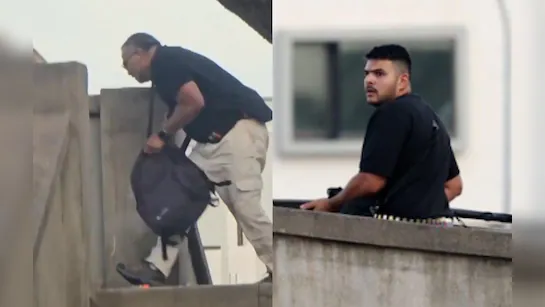
On the evening of Sunday, December 14, two men opened fire at a Hanukkah event on Bondi Beach. Police say the attack targeted the Jewish community. Authorities treated the incident as an act of terrorism. At least 15 members of the public were killed and dozens more injured; when counting one of the attackers, reporting indicates 16 deaths in total. Police shot one attacker dead at the scene; his alleged accomplice — critically injured — was taken into custody and is in hospital.
Who the suspects are
Police and media have identified the alleged attackers as a father and son: Sajid Akram, about 50, and his son Naveed Akram, about 24. Sajid was killed by police at the scene; Naveed was shot and detained and is in hospital under guard. Investigators say both men had travelled to the Philippines in the month before the attack, and security sources told reporters they underwent “military-style training” there — an angle authorities are investigating. Officials are also probing potential ideological links to Islamic State.
Who died and who was injured
Victims named by authorities and family statements include people of many ages and backgrounds — volunteers, young children, community leaders, and overseas visitors. Among those publicly identified: a 10-year-old girl, Holocaust survivors and community elders, volunteers who worked with the vulnerable, a father-and-mother who tried to confront the attackers, and visiting sports players. Families and communities worldwide are grieving. (For a fuller list of named victims and profiles, see reporting from major outlets.)
The heroes who confronted the shooters
Amid the carnage, several civilians and bystanders acted to stop the attackers — and in doing so saved lives. Their actions are being widely praised.
Ahmed al-Ahmed charged a shooter, wrestled the rifle away, and knocked one attacker down. He was shot and seriously wounded and is recovering in hospital. His family and politicians have called his act pure courage; Australians have rallied with donations and messages of support.
Boris and Sofia Gurman, a married couple in their 60s, appear on dashcam footage confronting one of the gunmen. They tried to disarm him and were fatally shot. Their actions were witnessed on video that later circulated and have become a focus of public tribute.
Reuven Morrison and other bystanders rushed to help when they could. Police and community leaders have publicly thanked multiple civilians who stepped in, often at enormous personal risk.
These people did not wait for permission. They moved to protect others. For many, their instincts cost them dearly. For others, their intervention stopped further carnage.
The wider context: antisemitism and rising threats
Australian leaders and Jewish organisations say the attack fits a worrying pattern of rising antisemitic incidents since the Gaza war in 2023. Federal and state officials have treated the Bondi attack as both a terrorist act and an antisemitic attack — prompting urgent national debates about security, online radicalisation, and community protection.
Weapons, planning and travel
Early reporting indicates the attackers used legally held firearms and travelled deliberately to prepare. Security sources say their time in the Philippines appears connected to training of a “military-style” nature; investigators are still piecing together whether they were directed by or inspired by a foreign extremist group. Police and counterterrorism units in Australia continue a fast-moving inquiry.
How Australians have responded
The response has been immediate and powerful. Political leaders condemned the attack; vigils and tributes sprung up across cities; blood banks reported large donations; and crowds have gathered to honour victims and heroes. Public fundraising for those wounded and for the hero Ahmed al-Ahmed has surged. The events have also renewed calls for tighter gun laws, better national firearms tracking, and tougher action on hate-driven violence.
What we still don’t know
The investigation is ongoing. Authorities are still confirming:
exact motives and any foreign direction;
whether the Philippines travel led to formal links with militant groups;
full list and identities of all victims (some families have not yet been contacted publicly).
Media outlets caution that early details can shift. The police-led probe remains the source of truth as it unfolds.
A tribute to those who ran toward danger
These moments are raw and painful. But amid grief, there are acts of clarity that demand our attention.
To Ahmed al-Ahmed, who charged a shooter to seize his rifle: thank you.
To Boris and Sofia Gurman, who tried to wrest a gun away and paid the ultimate price: we will remember your bravery.
To the quiet bystanders who pulled people to safety, made makeshift tourniquets, and shouted for help: your courage stopped more blood from being spilled.
Bravery takes many shapes. Sometimes it looks like a tackle caught on dashcam. Sometimes it’s a person running toward a rifle where everyone else is running away. Sometimes it’s a volunteer hugging a stranger and staying until help arrived. Each act saved lives or eased pain in a terrible moment.
What readers should do now
If you want to help:
seek official, verified fundraisers (family GoFundMe pages and charity appeals confirmed by outlets) rather than random links;
give blood if you’re eligible — local blood services reported urgent need after the attack;
support local Jewish and community groups offering counselling and support to those affected.