





On June 6th, 2025, Wellington Live—your hyper‑local news hub for Wellington, New Zealand—came under siege from a sophisticated Distributed Denial of Service (DDoS) attack. Over a single 24‑hour period, malicious traffic masquerading as legitimate users targeted our servers, causing slow page loads, failed comments, and intermittent outages. In this article, we’ll explain what a DDoS attack entails, recap our real‑time response, and outline the improvements that will keep Wellington Live reliable and secure.
What Is a DDoS Attack?
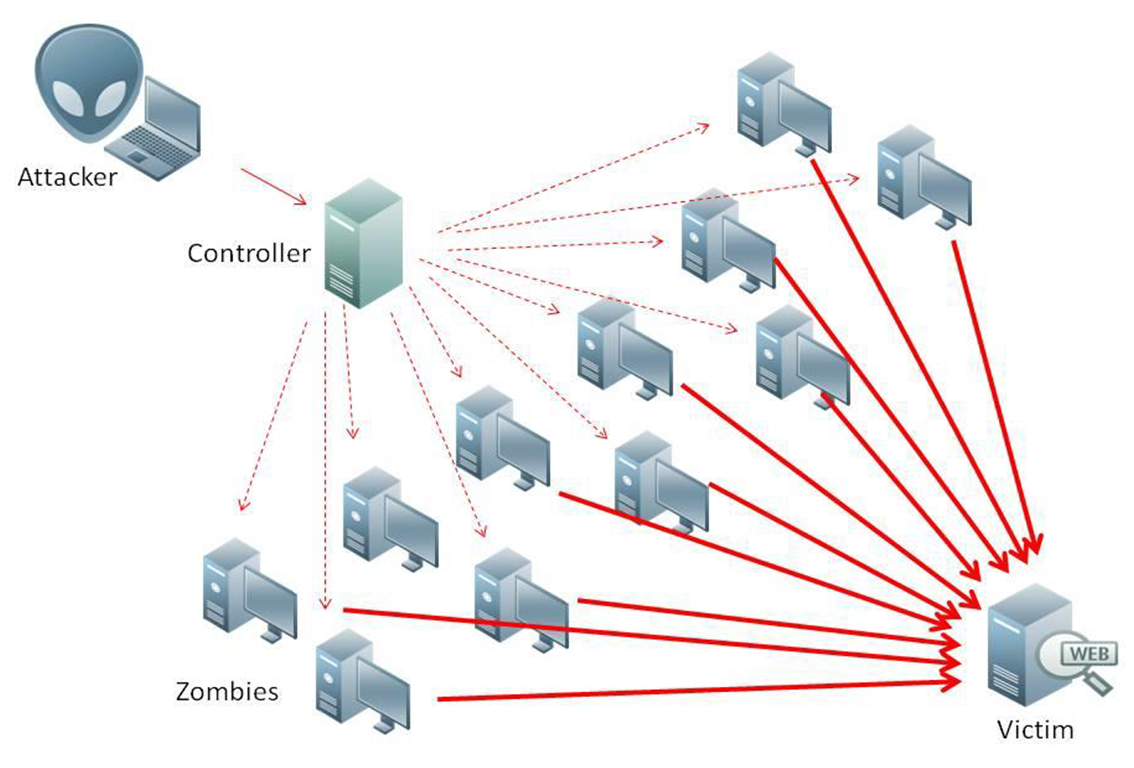
A DDoS attack occurs when threat actors enlist large networks of compromised devices (botnets) to flood a website with traffic. Unlike organic traffic spikes from real readers, each bot sends repeated requests designed to exhaust server resources. The objectives may include:
- Service disruption: Prevent genuine users from accessing content.
- Financial extortion: Coerce site owners to pay “protection” fees.
- Brand damage: Undermine reader trust through repeated outages.
Because the attack mimics normal browsing patterns, identifying and isolating the malicious requests requires advanced monitoring tools and rapid intervention.
Traffic Spike and User Impact
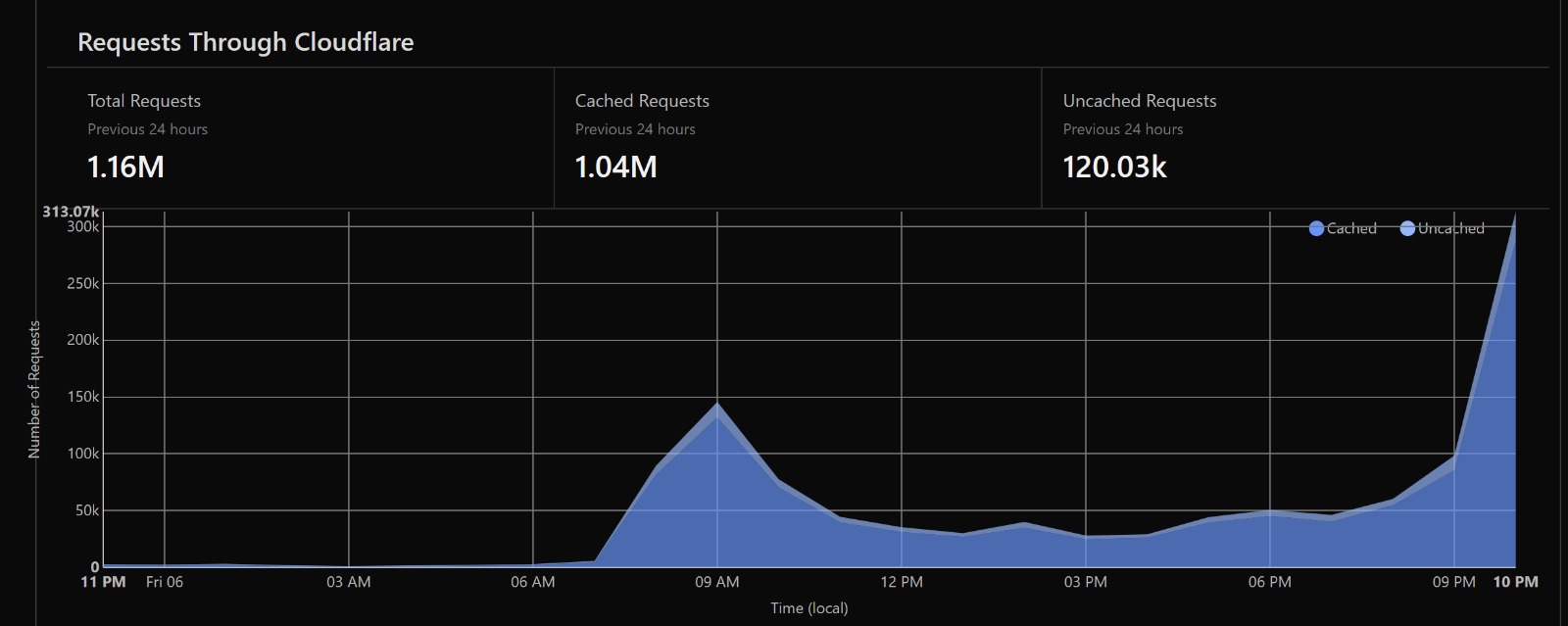
Between 9pm and 10pm, Wellington Live logged:

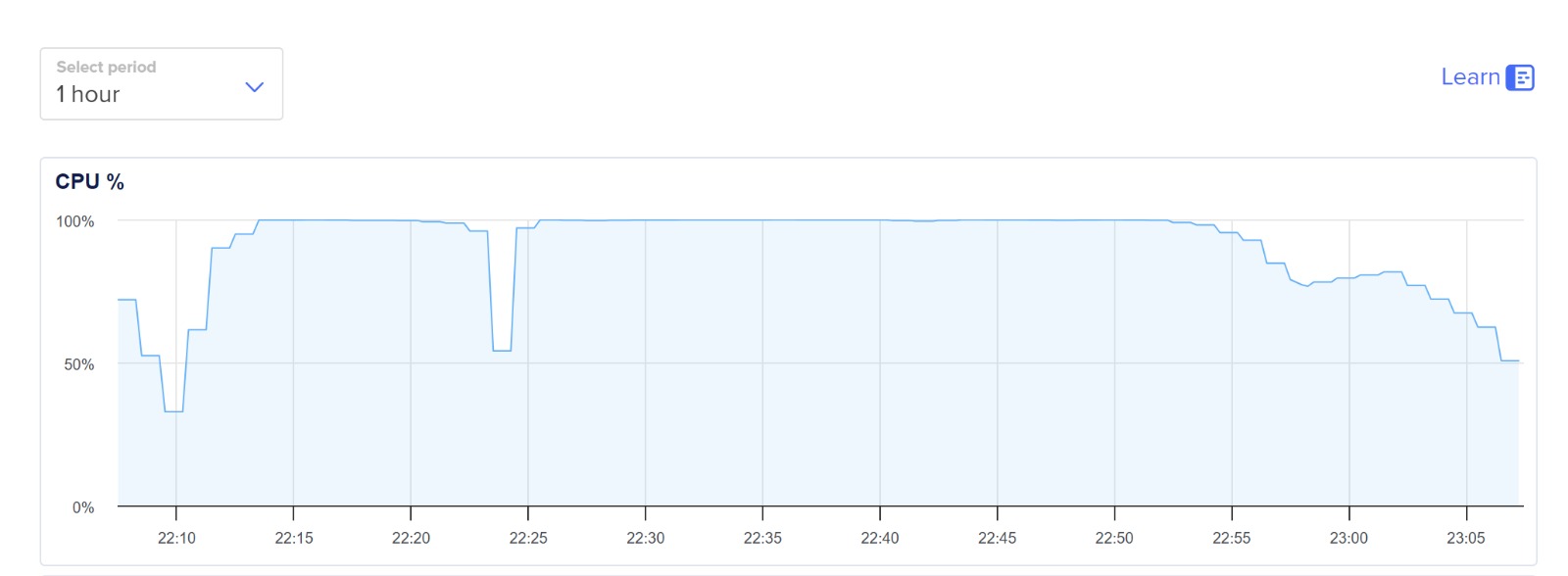
This sudden surge overwhelmed our inbound network bandwidth and application servers. As a result:
- Slow page loads: Readers experienced delays up to 20 seconds.
- Failed actions: Comment submissions and newsletter sign‑ups timed out.
- Cached resource lag: Static images and scripts loaded more slowly.
Local businesses advertising on Wellington Live also saw reduced impressions during peak attack windows.
Immediate Attack Mitigation Steps
Our IT and security teams executed a multi‑layered defense within minutes:
- Rate Limiting & WAF Rules
Applied thresholds on request rates per IP and activated Web Application Firewall (WAF) rules to block known bad actors. - IP Reputation Filtering
Leveraged third‑party threat feeds to automatically blacklist IP ranges associated with previous DDoS campaigns. - Traffic Analysis
Utilized real‑time dashboards to distinguish botnet churn from genuine readers, then throttled unwanted connections. - CDN & Caching Optimization
Shifted more content delivery to our Content Delivery Network (CDN), reducing load on origin servers by 60%. - Security Partner Engagement
Engaged our DDoS mitigation partner to scrub incoming traffic through a “clean pipe” process. - 24/7 Monitoring
Rotating shifts ensured continuous supervision of server health, ready to pivot to new defenses as the attack evolved.
Few hours later normal site performance was restored. We immediately communicated with our readers via social media and email to confirm that Wellington Live was back online and stable.
Thank You for Your Support
We deeply appreciate our Wellington Live community for its patience and understanding amid the disruption. Events like these reinforce our commitment to providing reliable, timely, and locally relevant news. Thanks to our dedicated team and your ongoing engagement, Wellington Live is emerging more secure and dependable than ever, ready to continue delivering stories that matter to our city.
TRUTH SEEKER
Instantly run a Quiz with friends... about the article. Interact more & analise the story. Dig in, catch out biased opinions, and "fact check" with TRUTH SEEKER by ONENETWORK WELLINGTONLIVE 👋
Do you agree with the main argument of this article?
Total votes: 1
What is the main objective of a DDoS attack?
Bias Analysis
Fact Check Summary
False. DDoS attacks aim to disrupt services and exhaust server resources.
Source: Article
True. The article mentions slow page loads as an impact of the DDoS attack.
Source: Article